“Crus” is a French term for Cognac, which refers to a specific vineyard or region known for producing high-quality grapes.
We have discussed cognac and Armagnac in detail in my previous article. Let us now learn about their crus.
Cognac has six crus, Armagnac has only 3, but each region proves one truth: terroir writes the story in every drop.
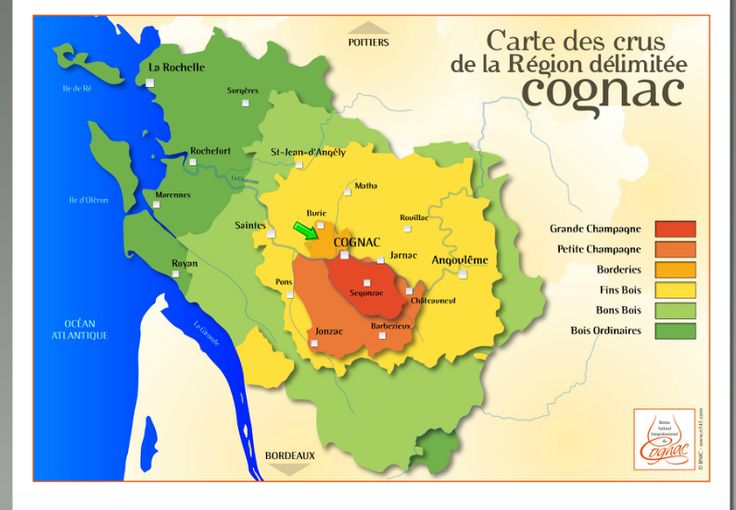
Each crus has its own stamp of identity, let’s pour.
- Grande Champagne (Groh) – It refers to the Grand region, which is the jewel of Cognac. But the chalky soil of this terroir gives birth to elegant, floral “Eau-de-vie”.
- Petit Champagne (Petih) – slightly less delicate but still refined than the previous cru, this is often blended with Grande Champagne to create the famed fine champagne.
- Borderies (Bohrdarie) – refers to the borders; however, this is the smallest cru. It is cherished for its nutty, violet-scented character, which gives it a silky texture.
- Fins Bois (Fehn Boa) – refers to fine woods, the largest cru or vineyard, which has more fertile soil, and its terroir results in producing supple, fruity, and eaux de vie. The grapes from this cru are usually used in most of the blends.
- Bon Bois – Situated in the southwest part of Cognac. Additionally, the soil is a mix of clay, sand, and limestone, resulting in faster maturation
- Bois ordinaires (Boa Ordinare) – Means Ordinary woods, with coastal terroir and sandy soils. Light, maritime style (sea-influenced flavours) eaux-de-vie, rarely used in fine Cognacs. It also exhibits rare notes like salinity, sand, and softer spices.
What Are The Crus Of Armagnac?
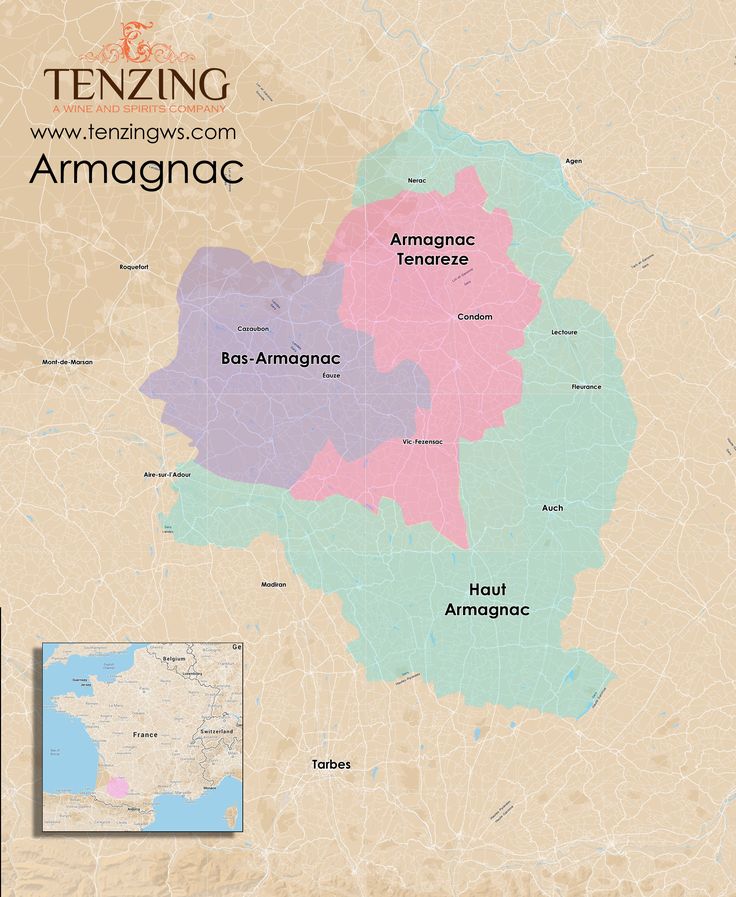
Armagnac is divided into three crus, rooted in Gascony. They are as follows:-
- Bas – Armagnac (Bah): It is the largest and most famous Cru in the Armagnac. It also produces elegant brandies with notes of fruit and prune.
- Tenareze – This produces bold, full-bodied, and complex. Made to age gracefully
- Haut-Armagnac – This is the quietest cru, scattered vineyards yielding light, delicate spirits that are rarely noticed in the market.
Two Spirits, One story of terroir.
Cognac’s six crus highlights precision and its finesse, while Armagnac’s three crus reveals its power and rustic charm. Together, they prove that the world of French Brandy, the ground beneath vines, is what truly writes the story in your glass.
But hey! … what do you mean by Eau-de-vie?
What Does ¨Eau de vie¨ Mean?
Eau de Vie is a French word that means “water of life.” It is a clear, colorless fruit brandy distilled from fermented fruit (pear, cherries, etc) juice. Unlike aged spirits, which are made from grains or grapes, it’s typically bottled soon after distillation to preserve the fresh, natural essence of the fruit.
Disclaimer: Images and external links used in this article are for informational and illustrative purposes only. Credits belong to their respective owners unless otherwise stated.
No responses yet