Gin is one of the most versatile spirits, and it outstands as it shines through in cocktails. From crisp, spirit-focused classics to refreshing mixes, gin cocktails offer something for every palate. Let’s explore some of the most iconic gin cocktails.
Simple Gin Cocktails: The Martini
The Martini may look simple, yet it is convoluted; it’s a drink of precision and preference. With so many variations, it’s important to know what you’re ordering and what’s being made at the same time. Let’s decode each of them
Classic Martini
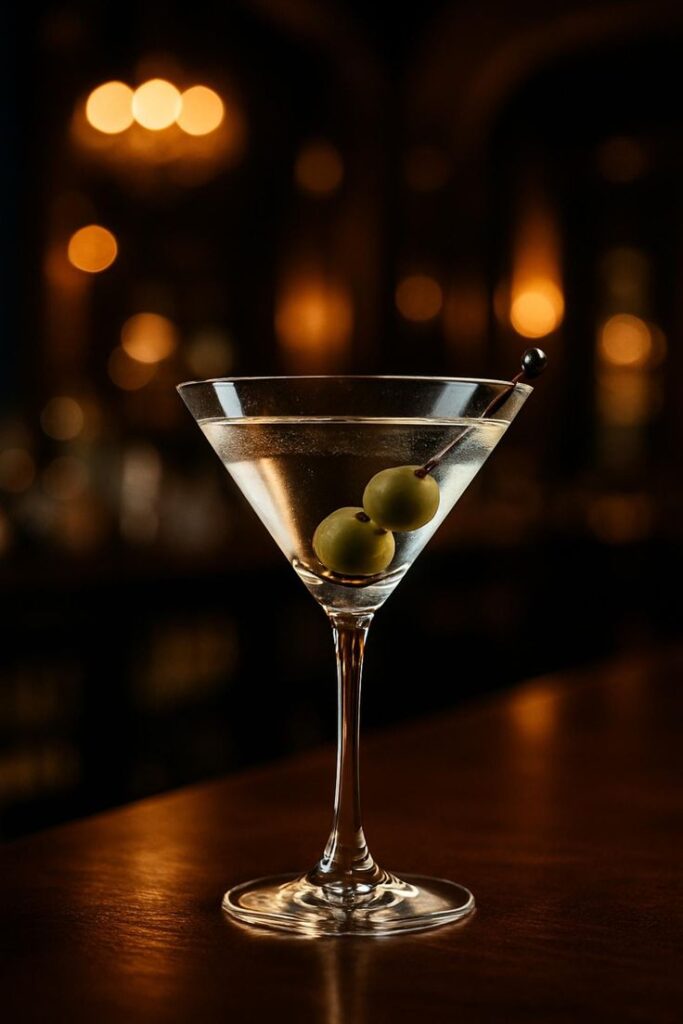
- Gin: 50 ml
- Dry Vermouth: 10 ml
Add gin and vermouth to a mixing beaker filled with ice. Stir until well chilled, then strain into a chilled martini glass. Traditionally garnished with olives, this is a balanced and timeless variant of the martini.
Sweet Martini
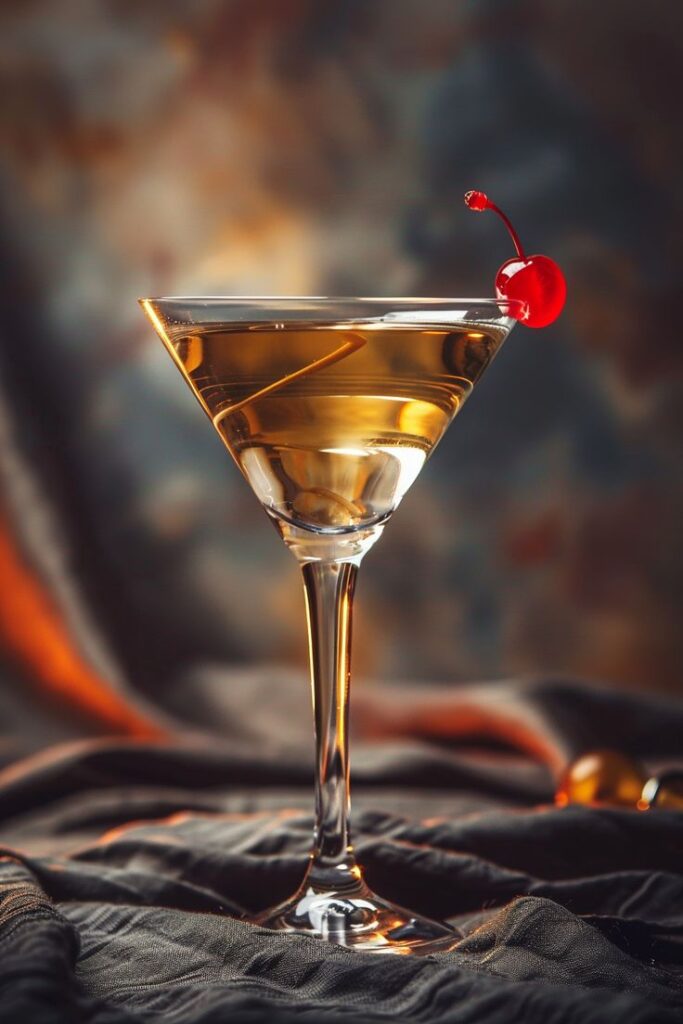
- Gin: 45 ml
- Sweet Vermouth: 15 ml
A slightly richer and smoother take on the classic, where sweet vermouth adds subtle sweetness and depth. Add a cherry as a garnish, indicating a sweet martini, when placed on the counter.
Dry / Extra Dry Martini
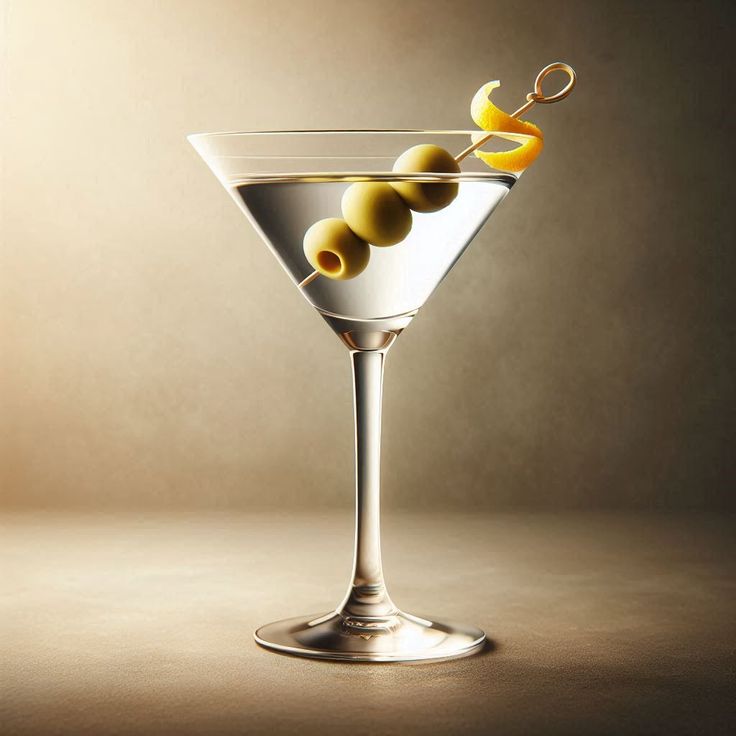
- Gin: 55 ml
- Dry Vermouth: 5 ml
This version leans heavily on gin, making the drink sharper, bolder, and more spirit-forward, perfect for those who enjoy intensity.
Note – Glassware for each is a martini glass, as the name suggests, for itself.
Let’s Twist The Martini
Once you understand the classic, the fun begins.
Gibson Martini
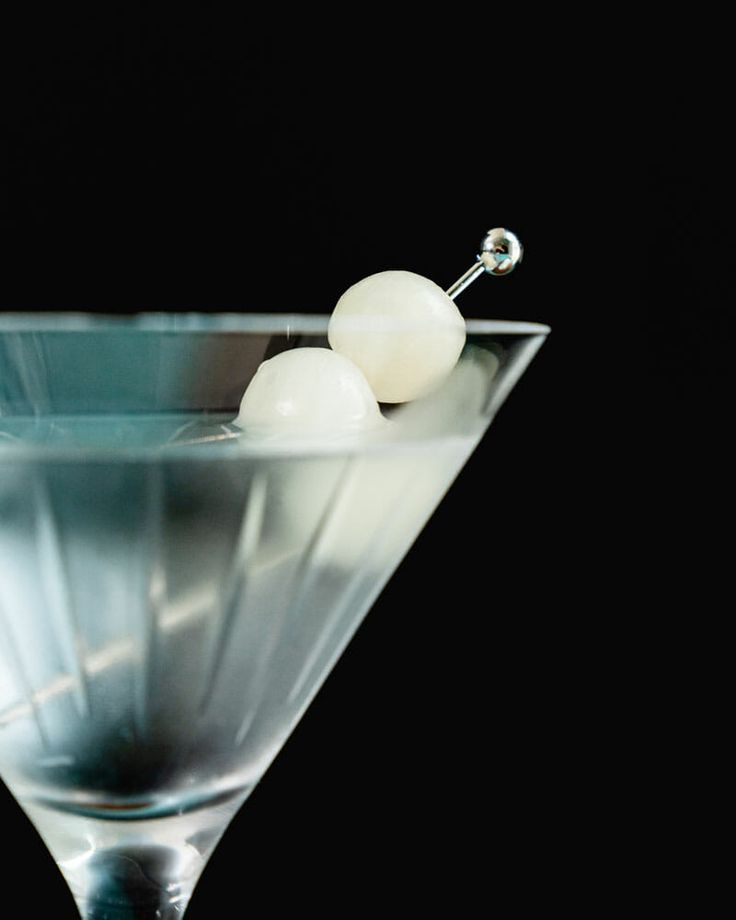
A Gibson is essentially a classic martini, but instead of olives, it’s garnished with pickled pearl onions. This small change adds a mild sweetness and savoury edge to the cocktail.
This is a minor garnish change, and it adds a difference.
Dirty Martini
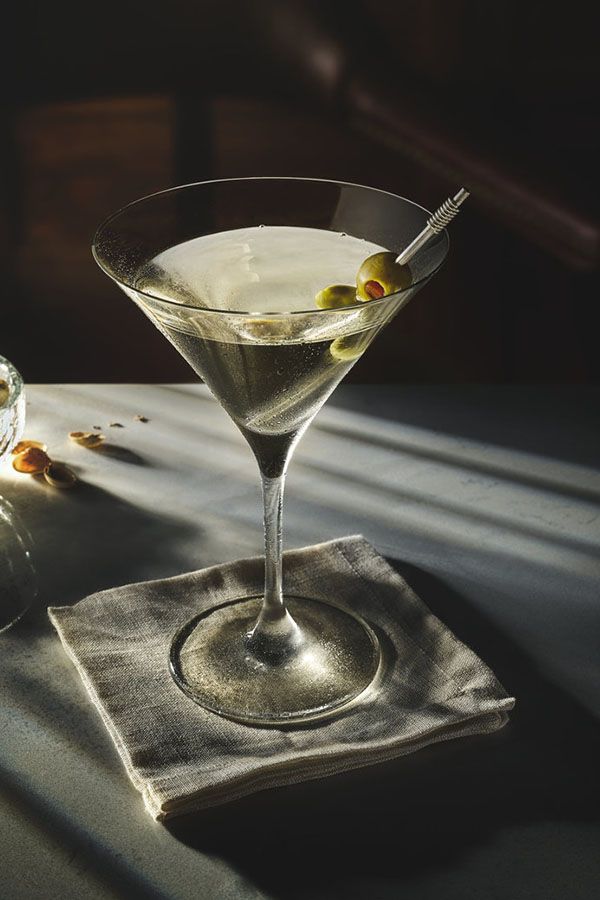
A classic martini with 5 ml of olive brine added. The brine gives the drink a slightly hazy appearance. hence the name, and adds a salty, umami-rich character. This makes the martini richer in the flavour profile
Bone Dry Martini
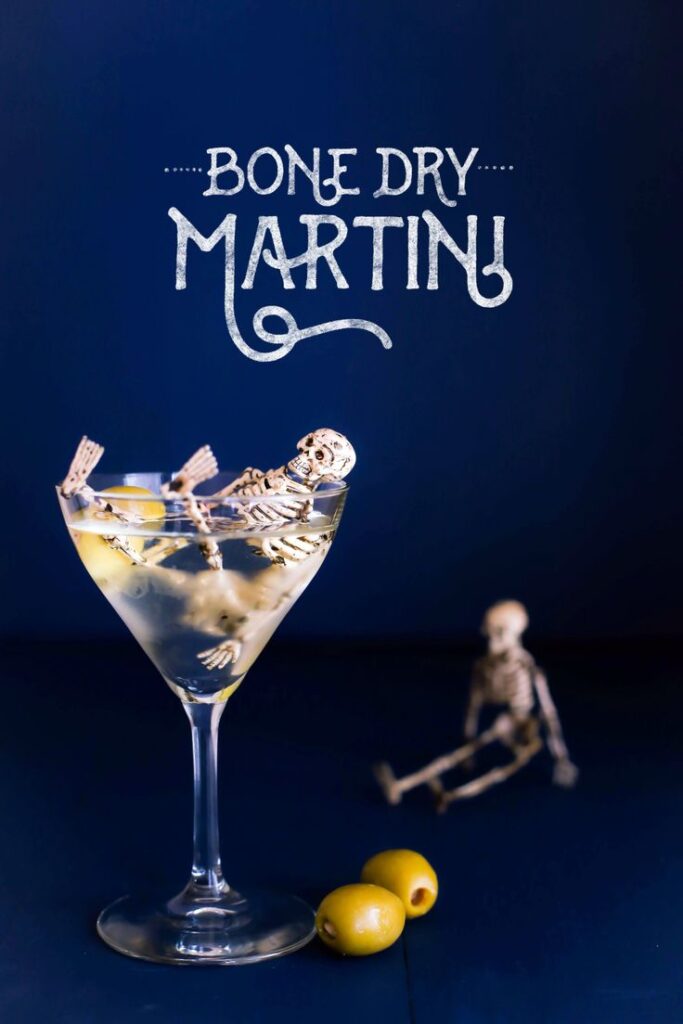
No, it does not have bones. This one is as pure as it gets. Only gin, stirred over ice and strained into a martini glass, no vermouth, just gin in its raw, elegant form.
Pro note:- It is advisable to fill the beaker with lots of ice, so it does not melt easily, and if you find it difficult to stir. You are just making it right.
Simple Refreshing Gin Cocktails
Not all gin cocktails are serious and spirit-heavy. Some are built for refreshment.
Tom Collins
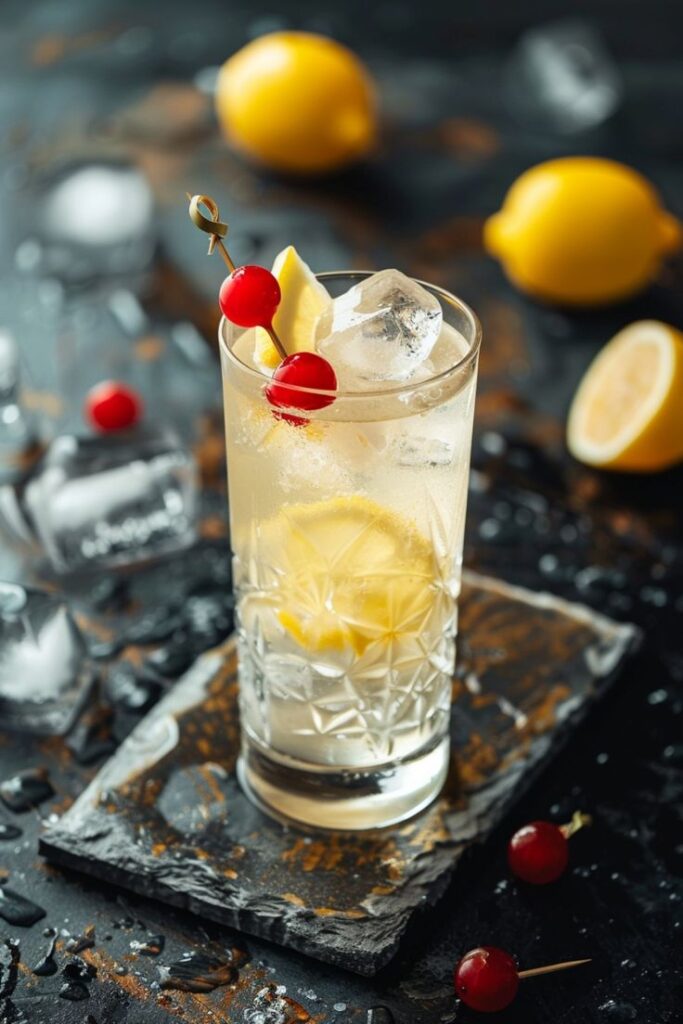
Made with gin, fresh lemon juice, and sugar syrup, stirred and topped with soda water. Finished with a lime garnish, it’s light, citrusy, and incredibly refreshing.
Gin Fizz
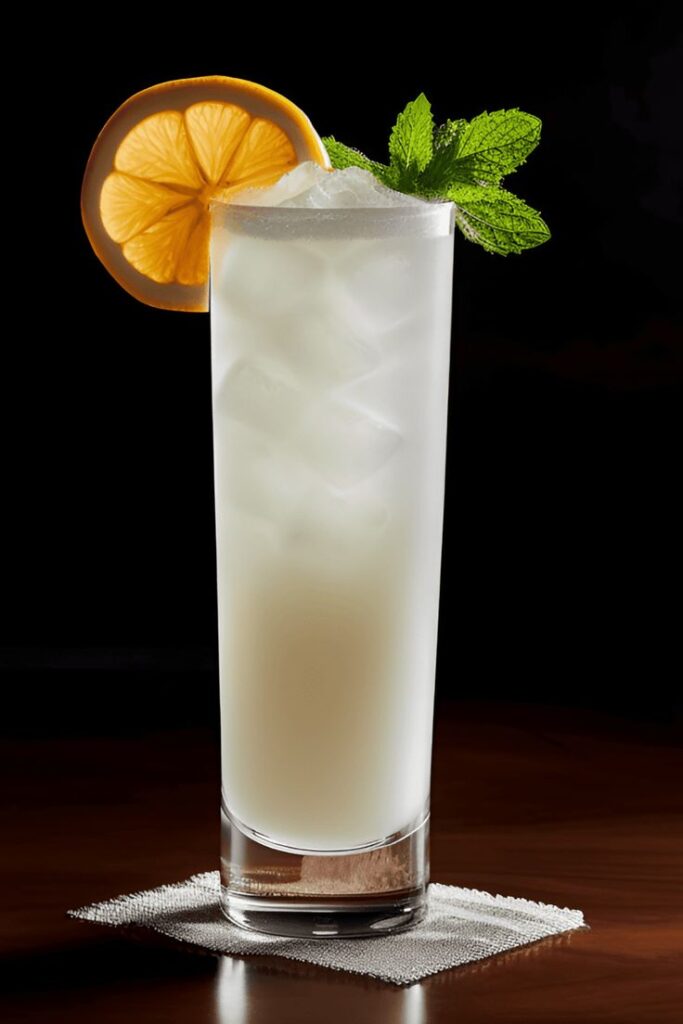
- Gin: 60 ml
- Sugar Syrup: 15 ml
- Lime Juice: 15 ml
- Topped with soda
A close cousin of the Tom Collins, the Gin Fizz is bright, zesty, and effervescent—perfect for warm afternoons.
Gimlet
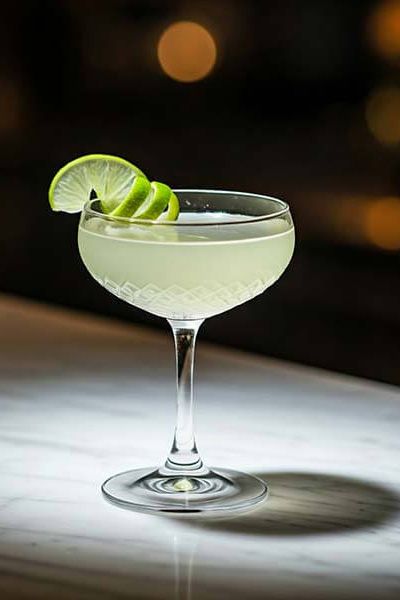
A timeless gin cocktail that highlights citrus and botanicals.
Recipe:
- Gin: 60 ml
- Fresh lime juice: 15 ml
- Sugar syrup: 10–15 ml
Shake all ingredients with ice, strain into a chilled coupe or martini glass, and garnish with a lime wheel or twist.
Bramble
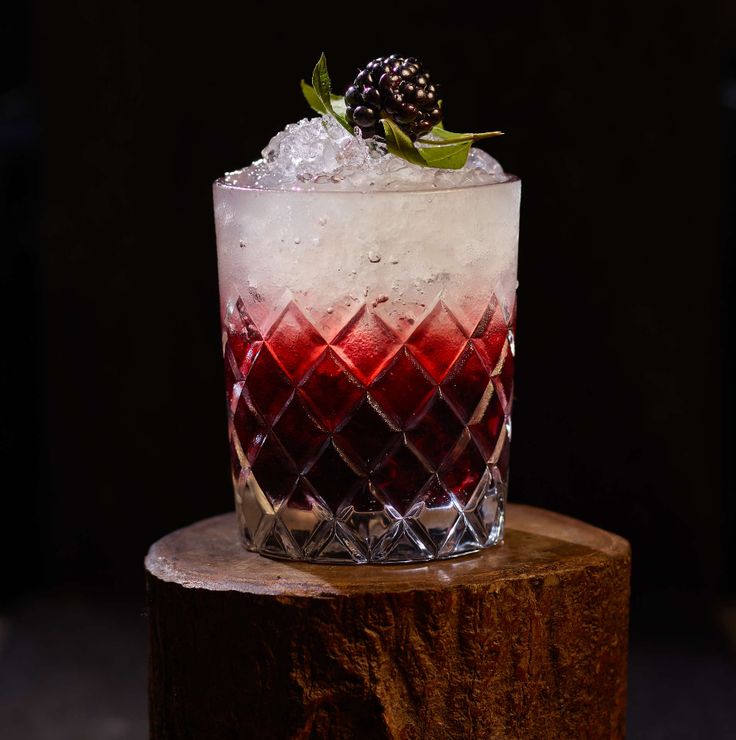
A modern classic with a fruity, layered profile. This is for people who are into fruity, softer flavours.
Recipe:
- Gin: 50 ml
- Fresh lemon juice: 20 ml
- Sugar syrup: 10 ml
- Blackberry liqueur: 10 ml
Muddle some fresh blackberries in a shaker. Add and shake gin, lemon juice, and blackberry liqueur with ice. Pour into a rocks glass over crushed ice, and garnish with fresh berries or lemon peel.
French 75
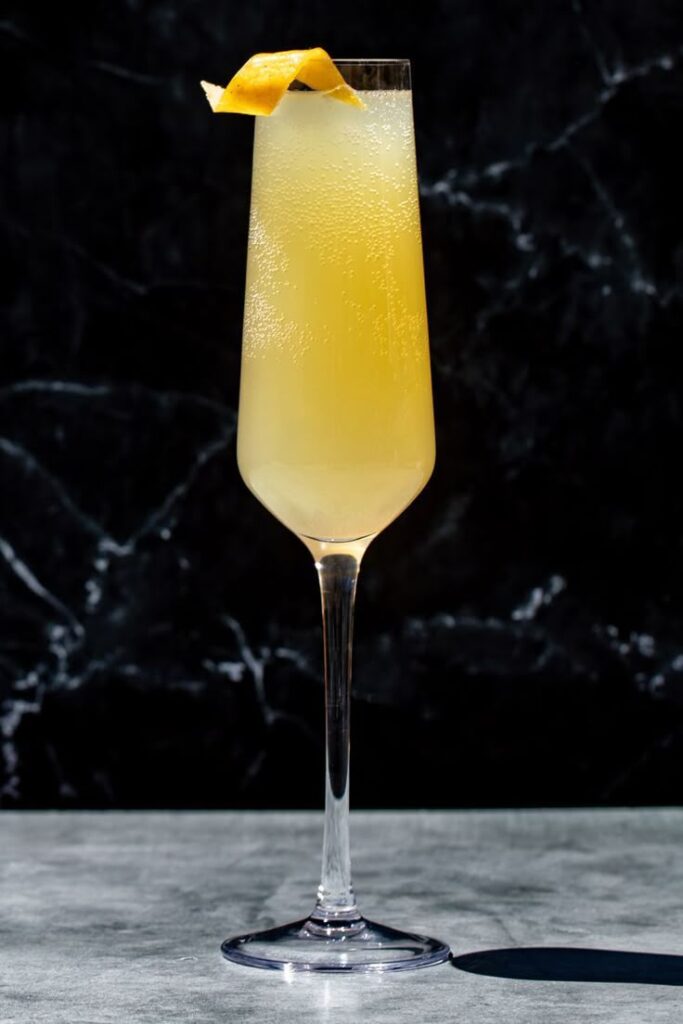
A sparkling classic that’s refreshing and symbolises celebration.
Recipe:
- Gin: 30 ml
- Fresh lemon juice: 15 ml
- Sugar syrup: 10 ml
- Champagne: Top up
Shake gin, lemon juice, and sugar syrup with ice, strain into a flute and top with champagne. Garnish with a lemon twist.
Negroni
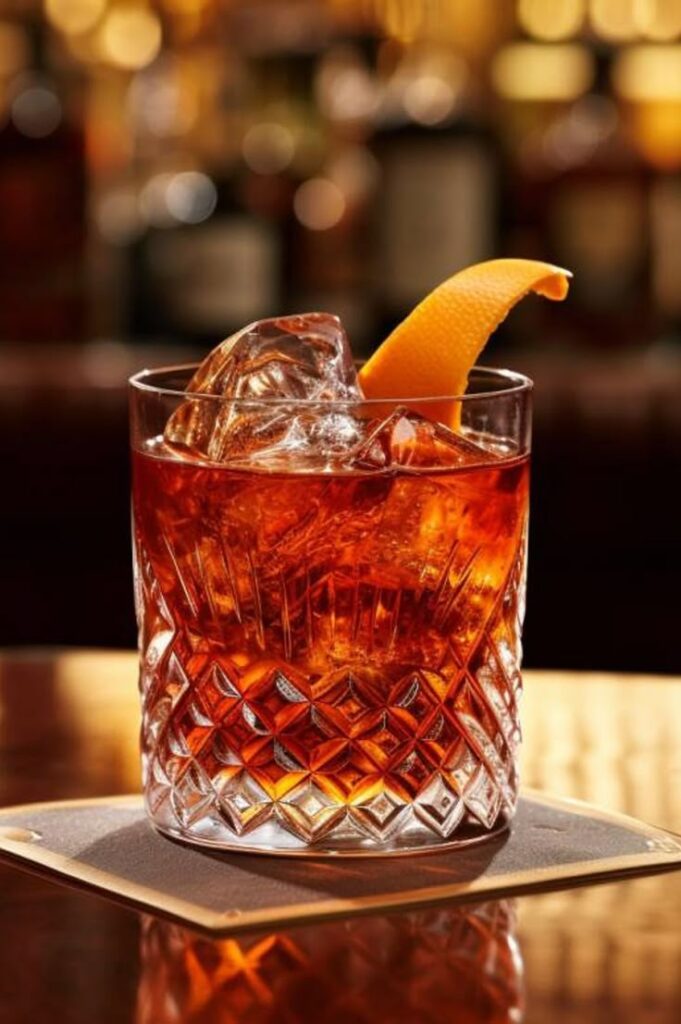
Bold, bitter, and perfectly balanced, this is a gin lover’s classic.
Recipe:
- Gin: 30 ml
- Campari: 30 ml
- Sweet vermouth: 30 ml
Stir all ingredients with ice, strain into a rocks glass over fresh ice, and garnish with an orange peel.
Gin & Tonic: The Ultimate Crowd Favourite
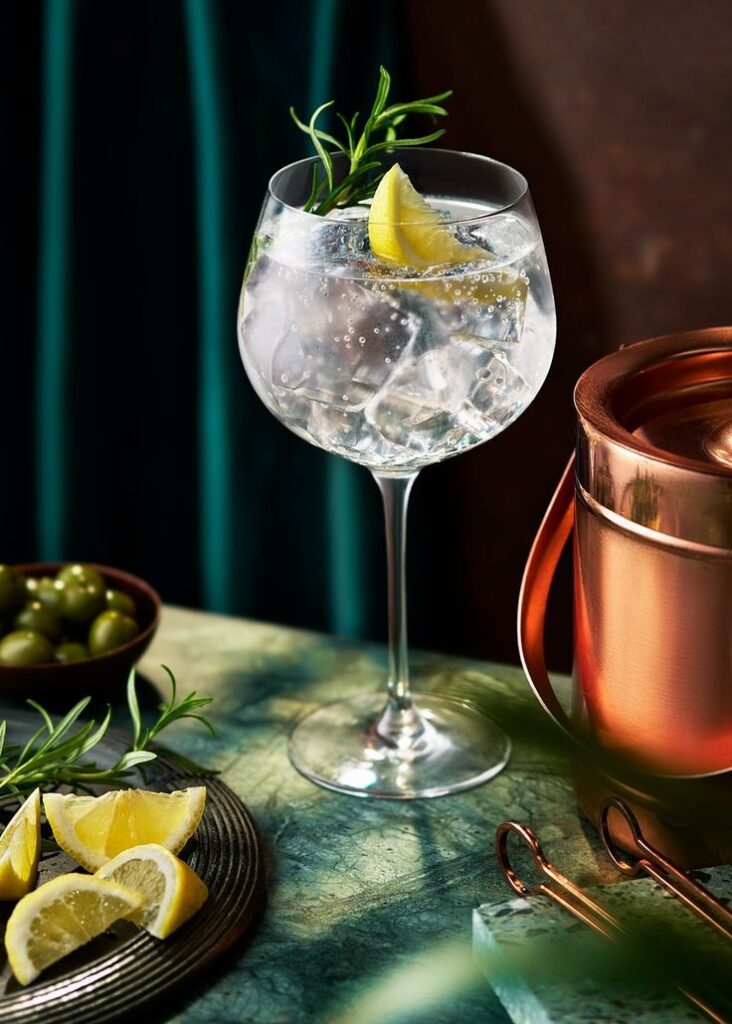
The Gin & Tonic needs no introduction; it’s a global favourite and an absolute banger. At its core, it’s just gin and tonic water, but the magic lies in why it works so well. It is explained in Why tonic water goes well with gin.
Gin is distilled with botanicals like citrus peels, coriander seeds, and angelica roots, giving it herbal, piney, and citrus-driven flavours. Tonic water, on the other hand, contains quinine, which gives it its signature bitterness.
That bitterness plays a crucial role. It complements gin’s botanicals, enhances its aromatic profile, and opens up hidden layers of flavour. Instead of clashing, gin and tonic create balance, making it one of the simplest yet most satisfying cocktails ever created.
Disclaimer: Images and external links used in this article are for informational and illustrative purposes only. Credits belong to their respective owners unless otherwise stated.
No responses yet