Gin has travelled a long, eventful journey, the evolution of Gin cocktails from a medicinal Dutch spirit of courage to one of the most desired bases for cocktails across the globe. Each botanical and its aromatic depth has inspired bartenders for centuries, crafting a timeline of drinks that reflect culture, inspire, and drive innovation.
The Remedial Origins Of Gin
As discussed in the previous blogs. Gin’s roots lie in jenever, a Dutch spirit originally used for medicinal purposes. As the British adopted gin in the 17th century, this spirit exploded in popularity during the “Gin Mania”
- Cocktails were made simple, often mixed with flavours, herbs or bitters to mask rough flavours.
- The idea of “mixed drinks” was still developing, but gin was already becoming the base for early punches and tonics.
- We have also discussed the concept of gin and tonic and its history.
The Classic Era of Gin Cocktails (1800s)
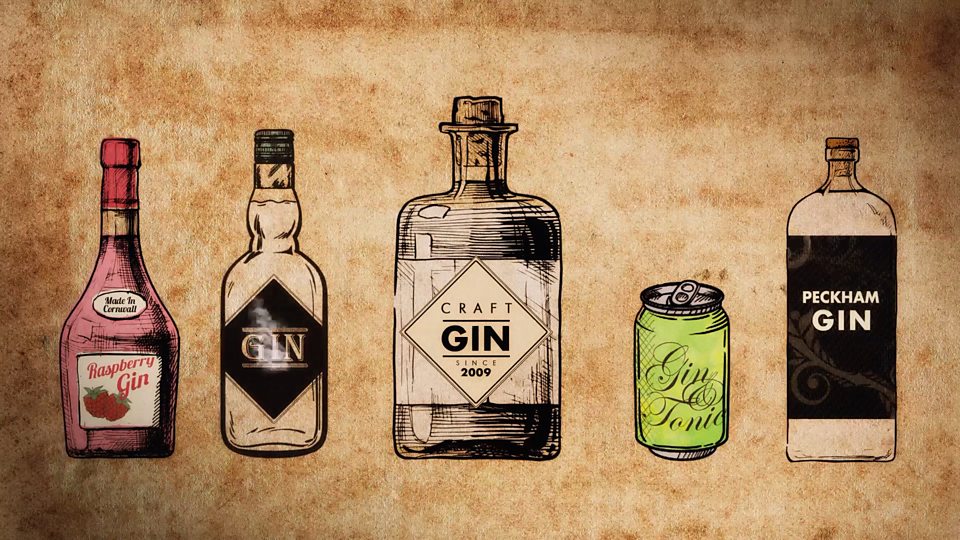
The 19th century was the era that marked the rise of professional bartending and classic cocktails, with Gin leading the way.
- Jerry Thomas, the father of mixology, introduced structured recipes.
- Staples like Gin Punch, Gin Sling, and Tom Collins emerged.
- Gin’s clean, botanical profile made it perfect for refreshing highball drinks.
This era established gin as a refined and crafted spirit, constructing its way from its earlier chaotic stature.
The Golden Age of Gin Cocktails (1900s–1930s)
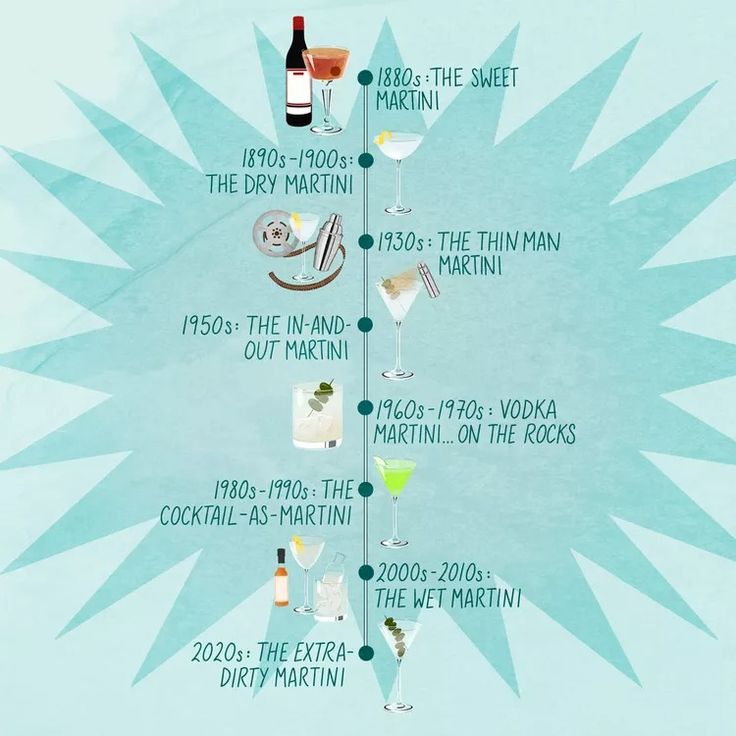
The early 20th century is often known as the Golden Age of Cocktails, and gin was at the heart of it.
Iconic creations like:
- Martini – crisp, elegant, the ultimate classic
- Negroni – bold, bitter, balanced
- Bee’s Knees – prohibition-era favourite sweetened with honey
- Aviation – floral, citrusy, and visually stunning
During Prohibition, gin was easy to produce secretly, which pushed bartenders to create new recipes that softened harsh flavours, making mixers cover the spirit.
Evolution Of Vodka Over Gin
(1950s–1990s)
After World War II, tastes shifted toward lighter, more neutral spirits.
- Vodka dominated, pushing gin into the background.
- Many classic gin cocktails survived but lost mainstream popularity.
- Gin became associated more with traditional drinkers rather than younger audiences.
This was the “quiet era” for gin cocktails, but it laid the foundation for a major comeback.
The Craft Revival & Botanical Boom (In the 2000s)
The 21st century brought a gin renaissance.
- Craft distilleries began experimenting with unique botanicals.
- Contemporary cocktails explored new flavours: floral, spicy, citrus-forward, and herbaceous.
- Classics were rediscovered and reinvented with modern techniques.
Today’s demand includes:
- Bramble – fruity, modern classic
- Cucumber Gin Fizz – clean, refreshing
- Gin Basil Smash – herbaceous and vibrant
Gin’s versatility makes it a favourite among mixologists, and its popularity continues to grow worldwide.
Modern Trends with Low-ABV, Sustainability & Global Fusion
Today’s gin cocktails reflect global consciousness and creativity:
- Low-ABV serves as gin spritzes and highballs
- Sustainable garnishes and reduced-waste techniques
- Fusion cocktails blending Asian spices, Mediterranean herbs, and tropical fruits
- Craft Indian gins are bringing local botanicals like Himalayan juniper, coriander, Gondhoraj lemon, and tulsi into the spotlight
Gin cocktails are more diverse than ever, shaped by culture, relatability, and craftsmanship.
To wrap it all up
From medicinal roots to craft-driven innovation, the evolution of gin cocktails mirrors the evolution of drinking culture itself. Each era has added a new concept, refining flavours, inspiring creativity, and shaping the way we enjoy gin today. Whether you love classics like the Martini or modern creations bursting with botanicals, gin’s journey proves one thing:
Disclaimer: Images and external links used in this article are for informational and illustrative purposes only. Credits belong to their respective owners unless otherwise stated
One response
488betlogin, alright, let’s do this! Hoping the site is user-friendly and easy to navigate. I’m here to win, not to get frustrated with a clunky interface! Show me the money! 488betlogin