When exploring the world of whiskey, we come across the distinction between Tennessee whiskey and American whiskey. Hey! American whiskey is also known as Bourbon whiskey. While both belong to the same broader category, a few key factors make Tennessee whiskey stand out. Let’s decode the difference between American whiskey and Tennessee whiskey.
What is American Whiskey?
American whiskey refers to the whiskey produced in the United States. Elijah Craig, the Baptist preacher in the state of Kentucky, is the father of American whiskey. The American whiskey is also known for, and it includes several styles such as:
- Bourbon
- Rye whiskey
- Tennessee whiskey
- Corn whiskey
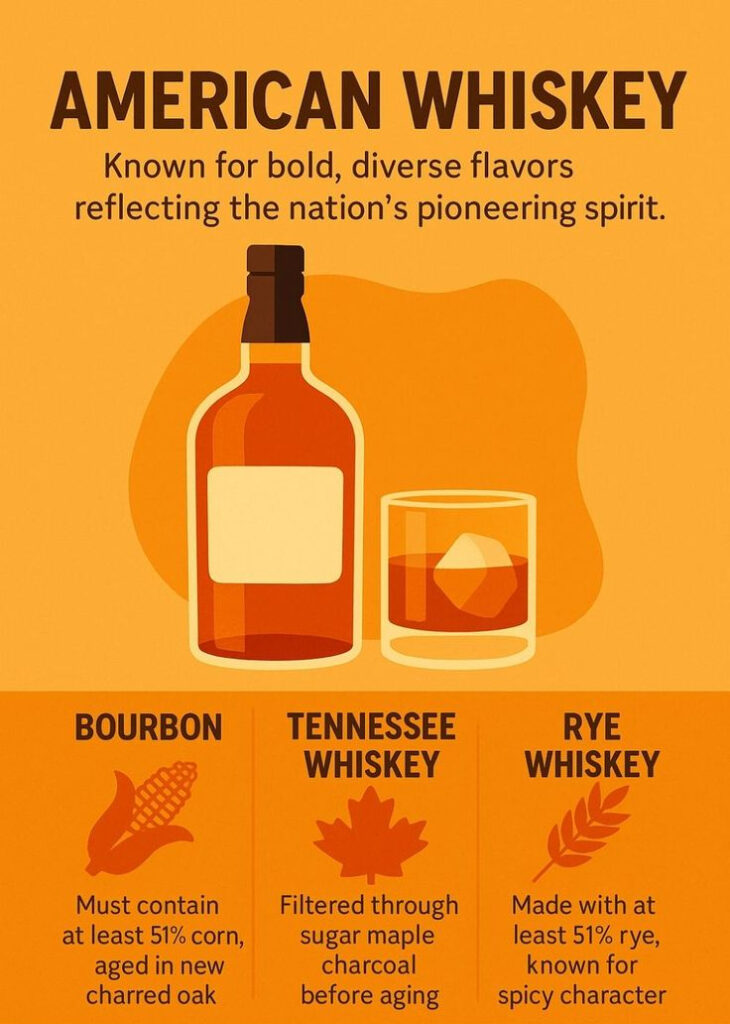
Most American whiskeys follow similar Rules and regulations, like making it from grain mash, which consists of at least 51% corn, rye, or wheat, in many styles like bourbon, aged in new charred oak barrels, and this gives American whiskey its signature flavors of vanilla and oak spice.
What is Tennessee Whiskey?
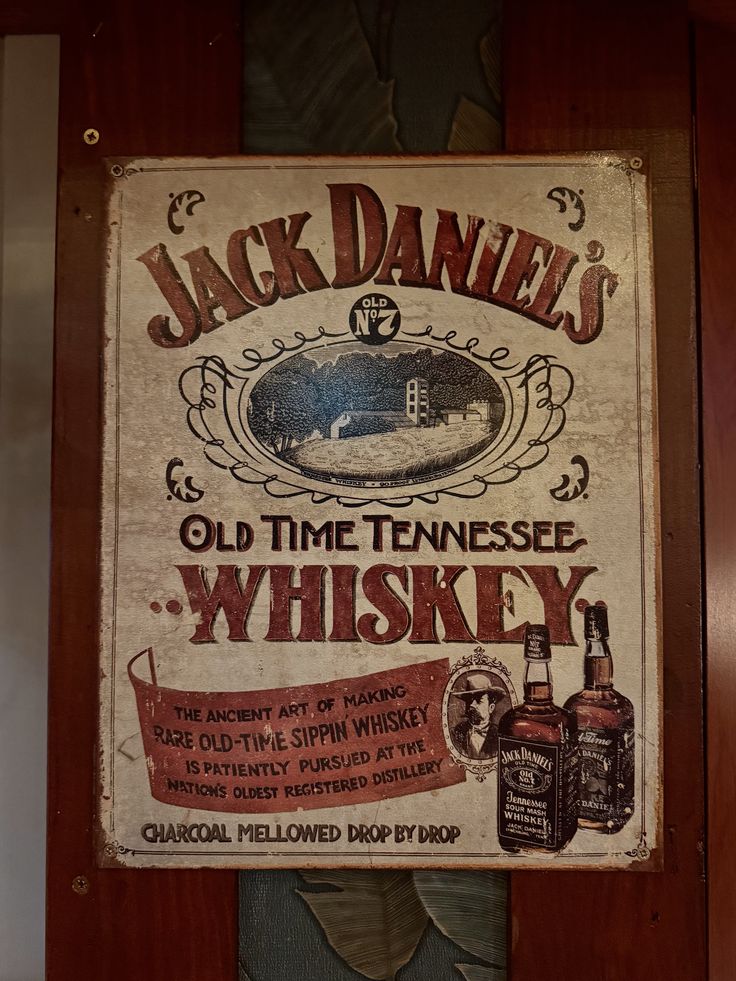
Tennessee whiskey is a specific style of American whiskey that must be produced in Tennessee.
It follows almost all the same rules as bourbon whiskey production (a major American whiskey style), including a minimum 51% corn mash, aging in new charred oak barrels, and distillation and proof standards.
However, what truly makes it different is one important step.
The Lincoln County Process
The defining process of Tennessee whiskey is the Lincoln County Process. Also known as maple charcoal filtration.
This process involves:
Filtering the whiskey through charcoal made from sugar maple wood. Because of charcoal mellowing, Tennessee whiskey tends to be:
- Smoother on the palate
- Slightly sweeter
- Less aggressive than other American whiskeys
The charcoal filtration removes heavier compounds, resulting in a cleaner and more refined taste
Popular Brand Examples
Tennessee Whiskey:
- Jack Daniel’s
- George Dickel
American Whiskey (Bourbon examples):
- Jim Beam
- Maker’s Mark (P.S. Maker’s Mark dips the neck of the bottle with the cap into wet red wax for it to give it a good seal packaging)
Disclaimer: Images and external links used in this article are for informational and illustrative purposes only. Credits belong to their respective owners unless otherwise stated
No responses yet