Gin is not just a spirit in a bottle. It is, in many ways, a whole garden captured in liquid, bottled and labelled. At its core, juniper berries define what gin is. They give gin its evident piney character, along with subtle citrusy and resinous notes from the other botanicals. Without juniper, gin would not exist, as it forms the backbone and legal identity of the spirit.
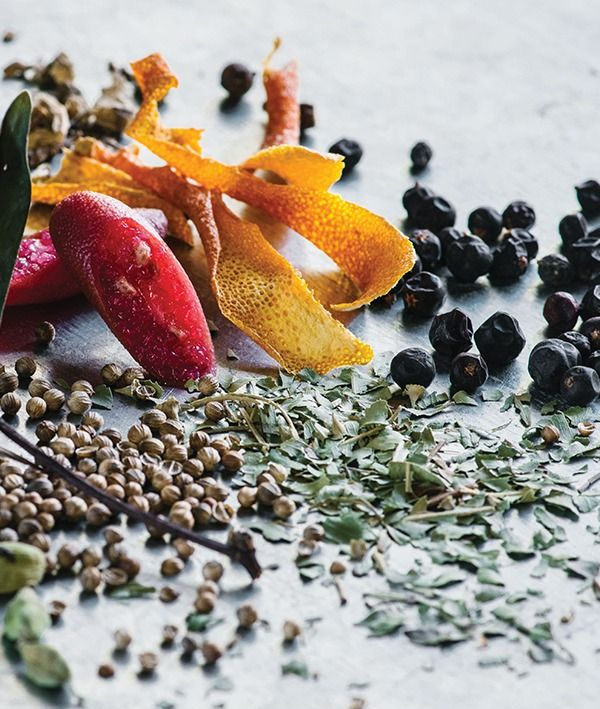
What truly makes gin stand out, however, is the symphony of botanicals that distillers carefully select and combine. These botanicals can include herbs, spices, roots, seeds, peels, and even flowers. Each ingredient plays a role, either enhancing juniper or adding new layers of aroma and flavour. The beauty of gin lies in how these elements come together and soothe the palate as desired by the distiller.
Some botanicals are considered common constants in many classic Gin recipes. Coriander seeds are one of the most important after juniper, adding gentle spice, citrusy warmth, and helping to lift the overall aroma. Orris root and angelica root are often used as binding agents. They help hold the flavours together, allowing the botanicals to open up slowly and evenly on the palate, while also adding earthy, dry, and slightly woody notes. Citrus peels, typically from lemons or oranges, bring freshness and brightness, balancing the deeper herbal tones.
Modern Gin Botanicals
Modern gin distillation has also embraced creativity and experimentation. Many gins explore unique botanicals such as lavender, cardamom, rose petals, cucumber, cubeb berries, and other exotic spices. These flexible additions allow distillers to create distinctive flavour profiles that reflect regional influences, seasons, or personal style. This is why no two gins taste the same.
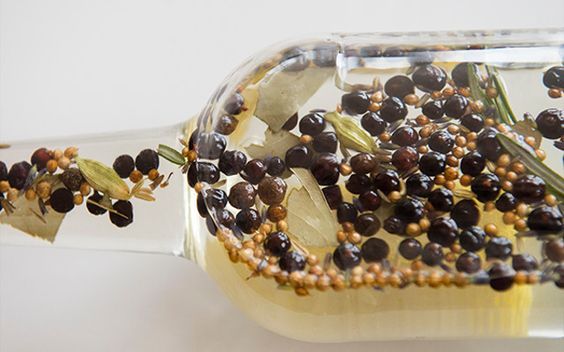
The true art of gin lies in balance. An extreme proportion of any one botanical can overpower the spirit, which may result in an unbalanced or undesired flavour. When done correctly, harmony among botanicals creates depth, elegance, and complexity. This balance is what makes gin enjoyable neat, refreshing with tonic, or versatile in cocktails.
Disclaimer: Images and external links used in this article are for informational and illustrative purposes only. Credits belong to their respective owners unless otherwise stated.
One response
[…] commonly available spirits. This higher alcohol content is part of what gives gin its intense botanical flavours and powerful presence in […]