Gin is definitely one of the fascinating spirits in the world of beverages; it is recognised for its crisp flavours due to its wide range of botanicals. So now let’s decode and dive into the process of how gin is made.
Measure the Gin , Not your limits!
What makes gin unique?
At its core, gin is made from a foundation of grain-neutral spirit, and it is then flavoured with a consistent ingredient: juniper berries and other botanicals. In making Gin, juniper must be the dominant flavour by law. And then other botanicals are added by distillers, like coriander seeds, citrus peels, cardamom, and other spices and herbs, to create a style of Gin that is desired by the distiller.
Pro note – In the majority of gins, you will find that coriander seeds are also added as a botanical, as the properties of coriander seeds help the juniper to expose its flavour to its full potential.
What Is Craft Gin?
Gin is a rapidly growing market, with modern distillers constantly experimenting with local and regional botanicals to create not only different types but also result in distinctive flavour profiles that express a strong regional identity. This spirit of innovation has also led to the rise of craft and DIY gin experiences, where customers can personalise their own blend at distilleries by selecting botanicals that reflect their taste. These concepts have contributed to and fueled up, resulting in the fastest-growing spirits globally.
Let’s go step by step
The Base Spirit
- Gin starts with a neutral alcohol base, often made from grains like wheat, barley, or rye.
- This base liquid is distilled to a high purity, ensuring a clean foundation to absorb maximum flavours from the botanicals.
Infusing Botanicals
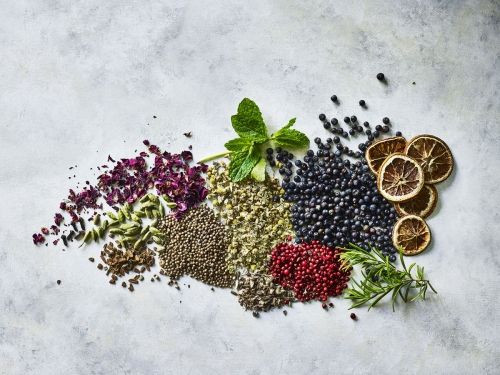
This is where it gets its character. There are 2 main methods used to extract flavours that the distillers consider.
- Maceration – (Steeping) botanicals are steeped in the base spirit before distillation for deep flavours.
- Vapour infusion – alcohol passes through a basket of botanicals, capturing delicate aromas.
Distillation
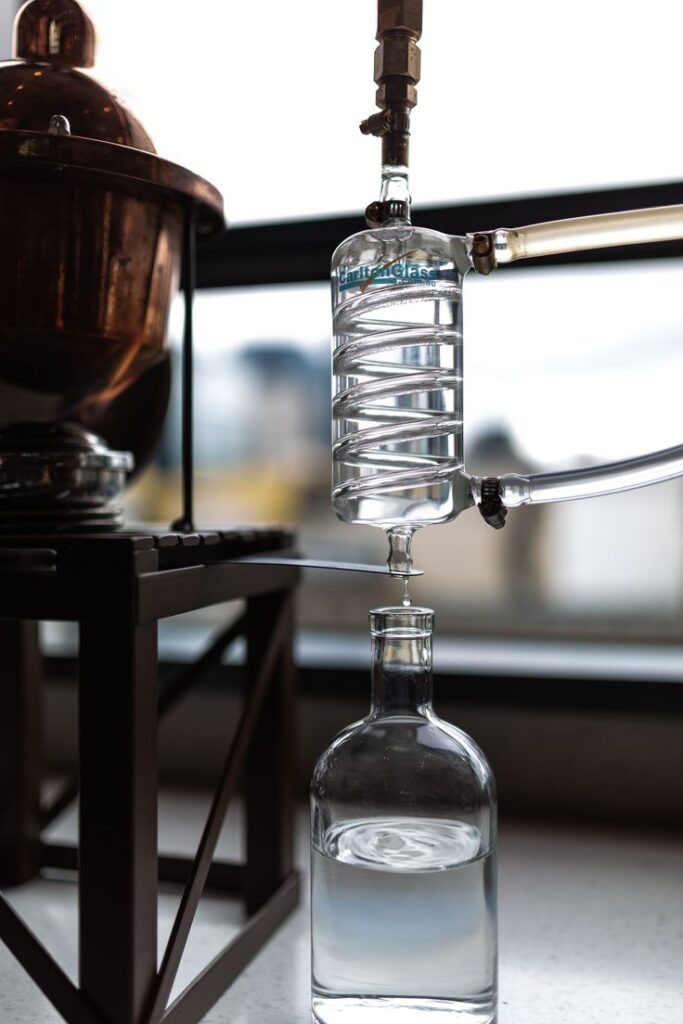
The flavoured spirit is distilled in copper pot stills or column stills for clarity and purification. Let’s know the difference
- Pot stills highlight bold flavours and tradition
- The column still ensures consistency and purity.
Dilution and Bottling
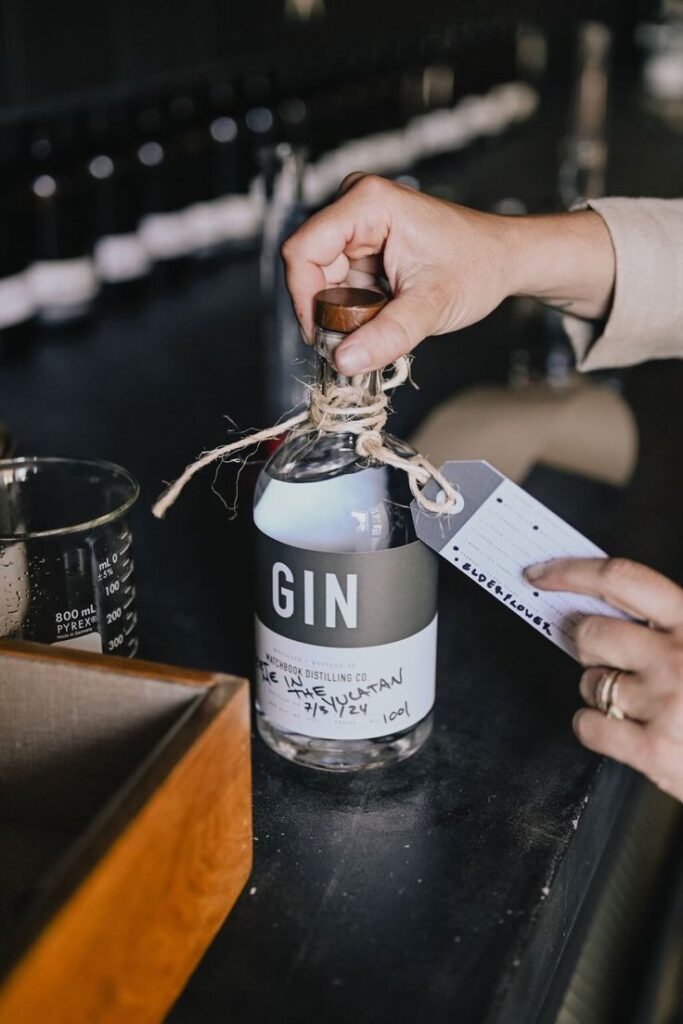
After distillation, this spirit is diluted with pure water to maintain the desired ABV, usually from 37% to 45%. Some go up to 57% like the navy strength.
Market Worldwide
Gin is a rapidly growing market, with modern distillers constantly experimenting with local and regional botanicals to create distinctive flavour profiles that express a strong regional identity. This spirit of innovation has also led to the rise of craft and DIY gin experiences, where customers can personalise their own blend at distilleries by selecting botanicals that reflect their taste. These concepts have contributed to and fueled up, resulting in the fastest-growing spirits globally.
Disclaimer: Images and external links used in this article are for informational and illustrative purposes only. Credits belong to their respective owners unless otherwise stated
No responses yet