Whisky and whiskey are two different spellings, and they usually indicate the spirit’s place of production. But is Scotch Whiskey or Whisky? Let’s decode!
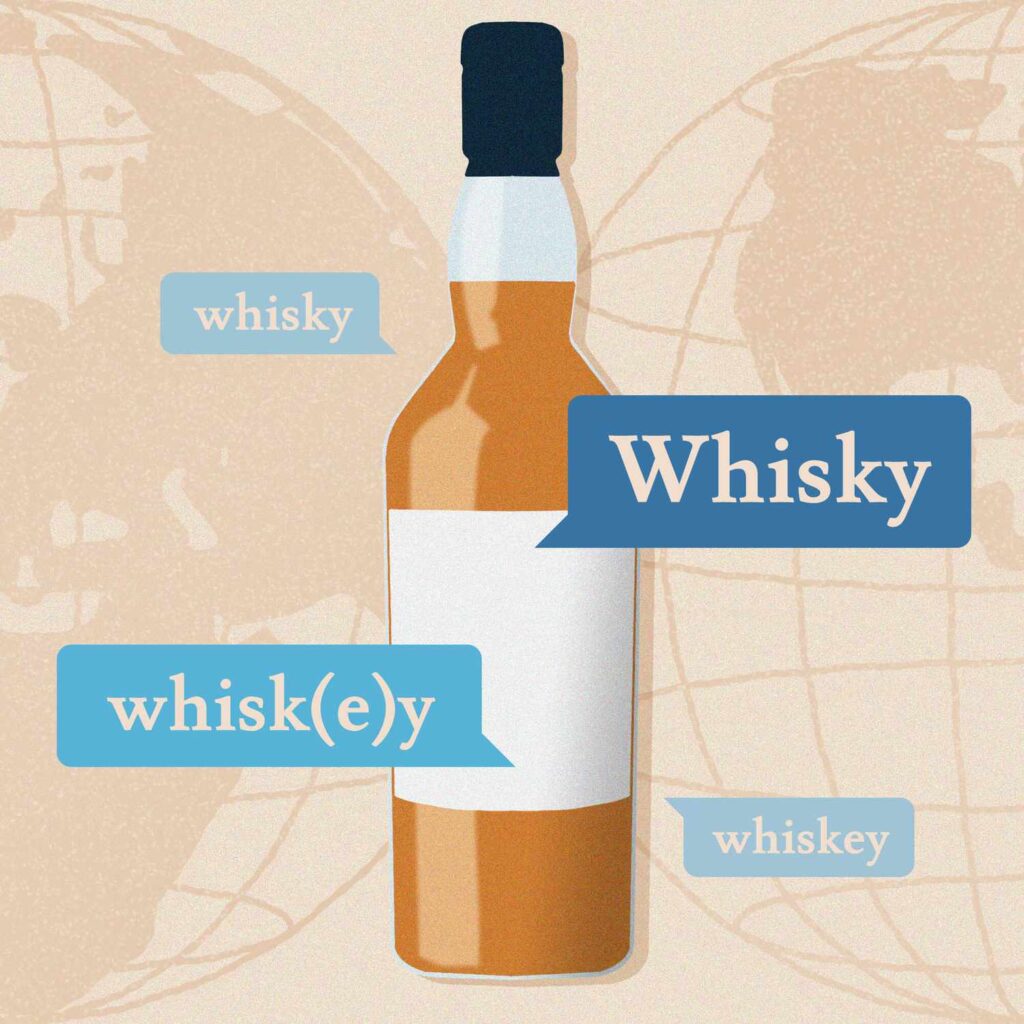
The spelling whisky is commonly used in countries such as Scotland and Canada, which are among the earliest and most influential regions for whisky production worldwide.
When other countries such as Ireland and the United States began producing the spirit, they adopted the spelling whiskey with an “e”. They wanted to distinguish their product and create a recognizable identity in the global market.
While the spellings differ, both are distilled spirits made from fermented grains and aged in wooden casks.
In simple terms, we decode:-
- Whisky is from Scotland, Canada, and Japan
- Whiskey is from Ireland and the United States
While the spelling differs, both are distilled spirits made from fermented grains and aged in wooden casks. Now that we have understood whether it is Scotch whisky or whiskey, let’s understand the types of Scotch whisky
Types of Scotch Whisky
Understanding the different categories of Scotch whisky helps beginners appreciate how blending, distillation, and grain selection influence flavor and character.
Single Malt Scotch Whisky
A single malt whisky is a malted barley whisky produced at a single distillery in Scotland.
Even though the whisky may come from different barrels or batches, it must always originate from one single distillery. To which the single malts often carry the name of the distillery, highlighting its unique character and production style.
Single malt whiskies are often appreciated for their distinctive flavors and individual character.
Examples: The Macallan, Glenfiddich
Vatted Malt (Blended Malt)
Vatted malt, also known today as blended malt whisky, is derived when two or more single malt whiskies of different ages from different distilleries in different parts of Scotland are blended.
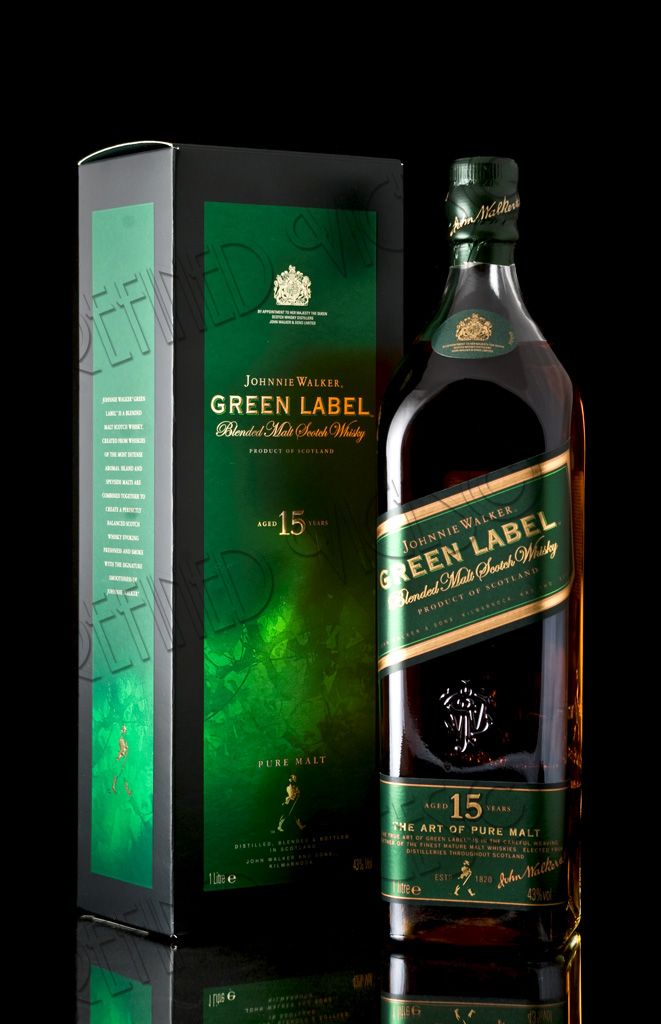
These whiskies are blended in specific proportions to create a new, balanced, and distinctive flavor profile. Unlike single malts, the final whisky usually takes the name of the blender or brand, rather than a distillery.
Example:- Monkey shoulder, Green Label, etc
Pro Note – In a blended whiskey, many whiskies are blended, and then the age of the Youngest blend is mentioned on the label. Eg- If a whiskey has a blend of 18 years, 15 years, and 12 years, then the label will have 12 years mentioned.
Single Grain Whisky
A single grain whisky is produced in one distillery in Scotland, but it is made using unmalted grains other than just malted barley.
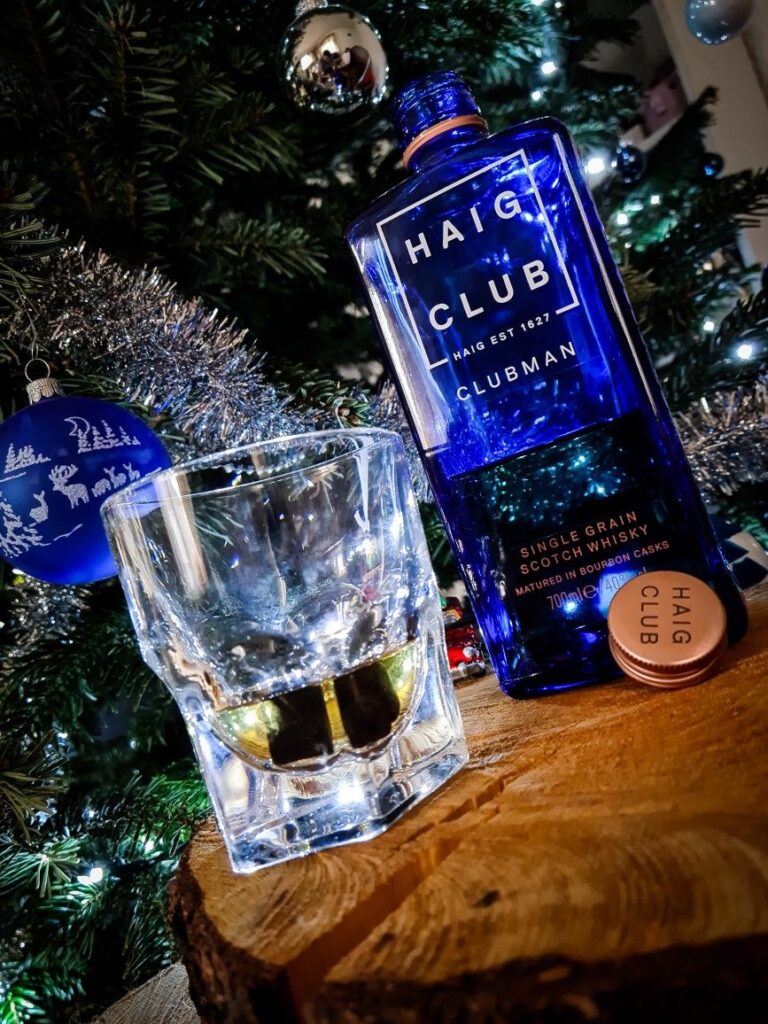
This category often includes grains such as corn or wheat along with malted barley. Like single malt, it comes from a single distillery, and the name often reflects the distillery or brand producing it.
Examples: Haig Club, Cameron Brig
Vatted Grain Whisky
When grain whiskies from two or more different distilleries are blended, the result is known as vatted grain whisky. These are usually unmalted grain and distilled in a Patent still for blending purposes.
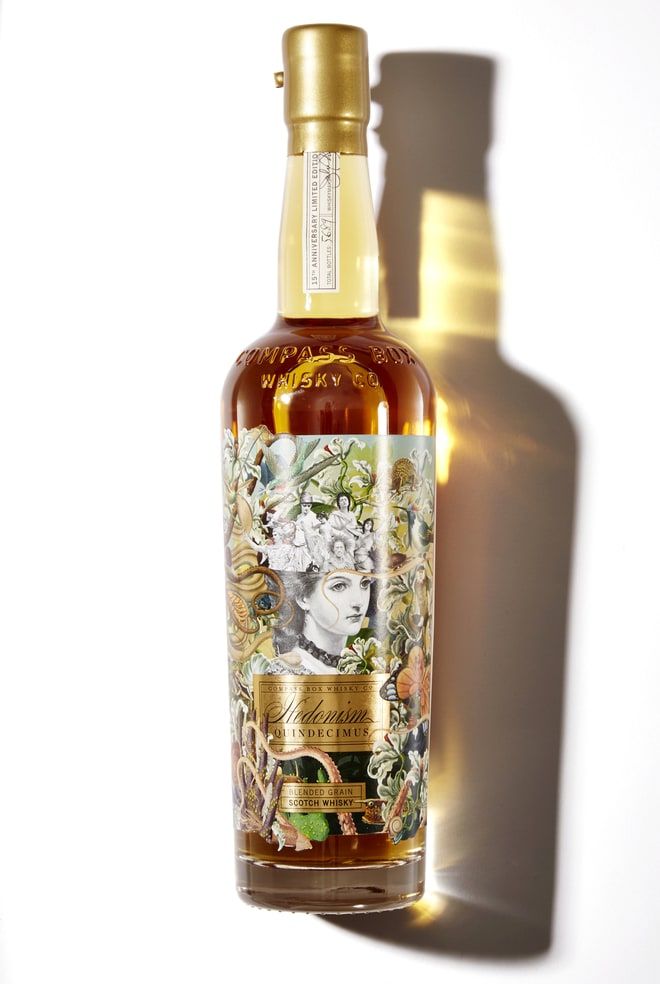
Blending allows producers to combine characteristics from multiple distilleries to achieve a consistent, balanced flavor.
Examples: Compass Box Hedonism, Lost Distillery Company Towiemore Grain
Blended Scotch Whisky
Blended Scotch whisky is created by combining two or more malt whiskies from different parts of Scotland, of different ages, in a given proportion, and blending them with a single grain whisky. It takes the blender’s name.
This blending process allows producers to create a whisky that is smooth, consistent, and approachable, which is why blended Scotch is one of the most widely consumed styles of whisky in the world.
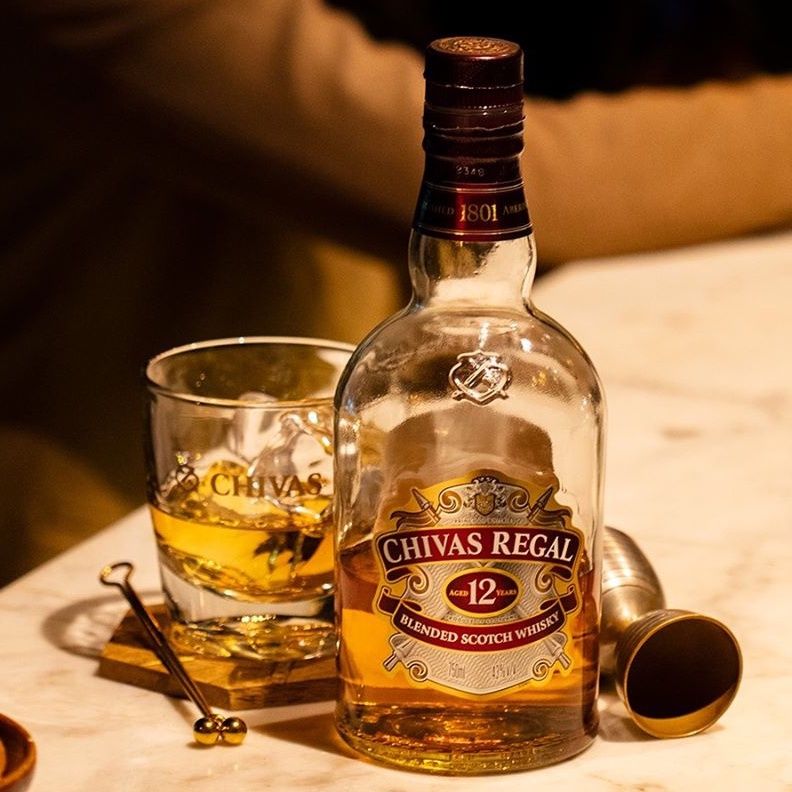
Many well-known Scotch brands fall into this category because blending helps maintain a reliable flavor profile year after year.
Examples – Johnnie Walker, Chivas Regal
Disclaimer: Images and external links used in this article are for informational and illustrative purposes only. Credits belong to their respective owners unless otherwise stated
No responses yet