Tonic water traces its origins to quinine, the key ingredient responsible for its distinctive bitterness. Quinine is derived from the bark of the cinchona tree and has been used for centuries for its medicinal properties. Historically, it was widely consumed as a preventive and treatment for malaria, especially in tropical regions where the disease was prevalent.
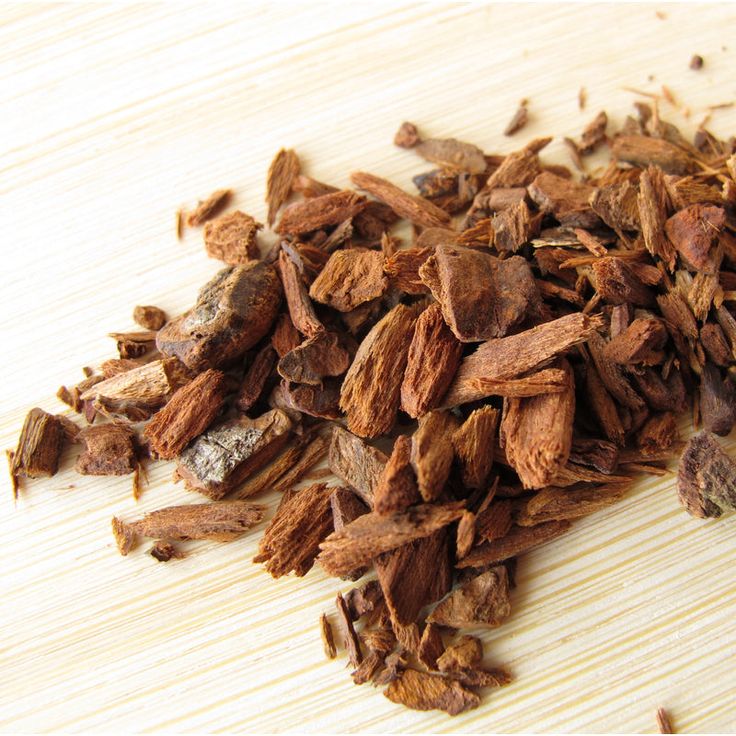
During the 18th and 19th centuries, British soldiers and officials who were stationed in tropical colonies were required to consume quinine regularly against the diseases caused. However, due to its extremely bitter taste, quinine was diluted with water to make it more drinkable. To further improve its palatability, sugar and soda water were added. Since gin was a commonly carried spirit among British officers, it naturally found its way into the mixture. This practical and medicinal solution slowly evolved into what we now recognise as the classic Gin and Tonic. It is one of the most iconic cocktails in the world.
Why Gin and Tonic Go Well Together
Well! There are various types of Gin. The concept of gin and tonic pairs exceptionally well due to a natural and scientific balance of bitterness, aroma, and refreshment. Gin is distilled with a variety of botanicals, many of which have subtle flavours that can remain hidden when consumed on their own. Gin has a variety of styles and types.
The quinine in tonic water introduces a clean, sharp bitterness that helps highlight and lift gin’s botanical profile. This bitterness enhances flavours such as juniper, herbal notes, piney characteristics, and citrus compounds, allowing them to shine more clearly on the palate.
Carbonation plays an equally important role. The effervescence in tonic water helps release aromatic compounds, intensifying the tasting experience with every sip. This interaction allows each flavour in the gin to integrate seamlessly. Creating a drink that feels cohesive and balanced rather than overpowering.
Additionally, the combination of alcohol and quinine delivers a crisp, dry finish, while the dilution from tonic water and ice helps reduce alcohol burn. The cold temperature further smoothens the drink, making it refreshing and easy to sip. This logical and perfect structure decodes why the Gin and Tonic is one of the most popular gin cocktails worldwide. It is loved for both its simplicity and sophistication.
The History of Gin and Tonic Water
The history of the gin and tonic is deeply intertwined with colonial expansion, medicine, and necessity. While gin itself gained popularity in England during the 17th century, tonic water emerged much later as a medicinal solution.
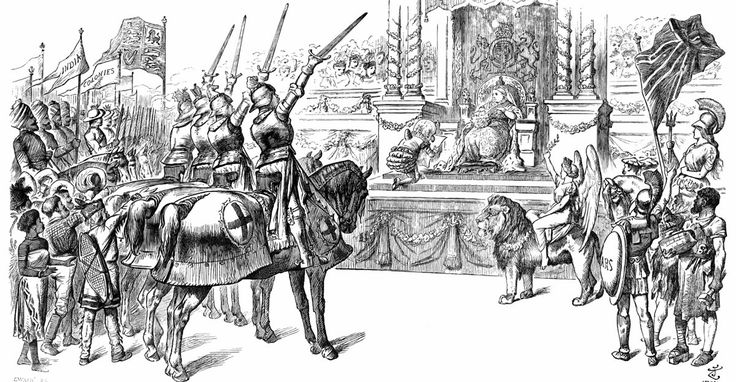
As the British Empire expanded into malaria-prone regions, especially in Africa and Asia, quinine became essential for survival. The daily consumption of quinine-infused water became routine for British officials and soldiers. Over time, improvements were made to make the drink more enjoyable, including carbonation, sweeteners, and eventually, gin, transforming it from a medicine into a refreshing beverage.
What began as a preventive health measure eventually turned into a globally celebrated cocktail, symbolising both history and innovation in the world of spirits.
Why Is It Called Indian Tonic Water?
The term “Indian Tonic Water” originates from the British colonial era in India. India was one of the regions where malaria posed a serious threat to British officials and troops. As discussed earlier, quinine was essential in combating the disease.
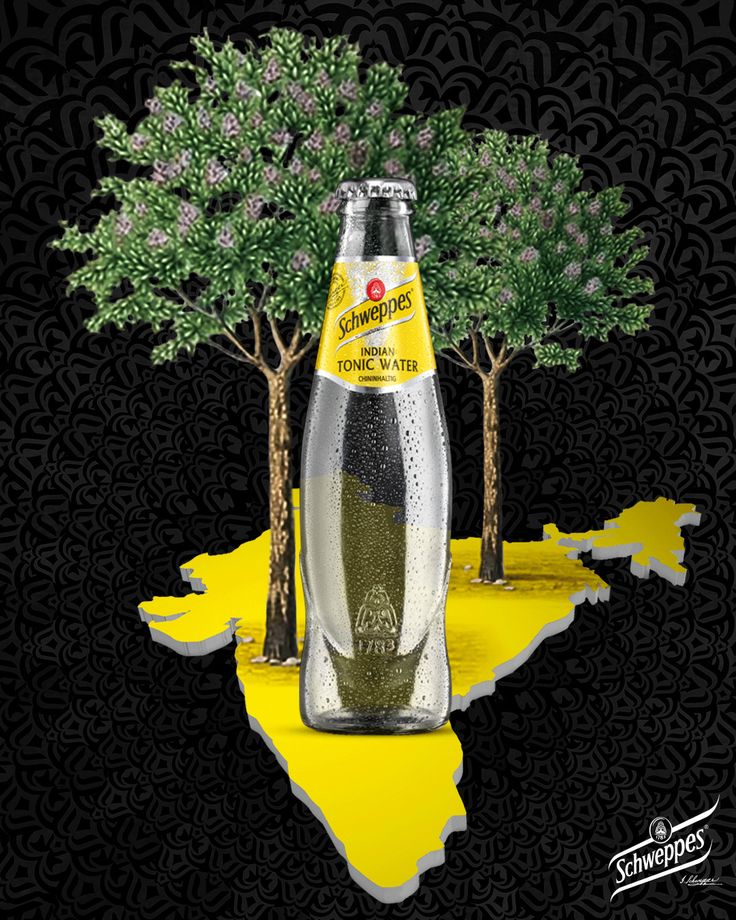
Because quinine was extremely bitter, British colonists in India began mixing it with sugar and soda water, creating a more drinkable beverage. This quinine-based soda became widely associated with India due to its extensive use during colonial rule.
When this beverage gained popularity back in Britain, it became known as Indian Tonic Water. With reference to its origins and purpose rather than the place of manufacture. Today, the name remains as a historical nod to its past, even though modern tonic water contains far lower levels of quinine and is primarily consumed for enhancing the flavour rather than medicinal benefits.
Final Note
From a medicinal necessity to a timeless cocktail, tonic water and gin share a fascinating history rooted in science, balance, and tradition. Understanding this journey not only deepens appreciation for the Gin and Tonic. But also explains why this simple combination continues to stand the test of time.
Disclaimer: Images and external links used in this article are for informational and illustrative purposes only. Credits belong to their respective owners unless otherwise stated
One response
[…] The Gin & Tonic needs no introduction; it’s a global favourite and an absolute banger. At its core, it’s just gin and tonic water, but the magic lies in why it works so well. It is explained in Why tonic water goes well with gin. […]