Tequila is one of the most recognised and distinctive spirits in the world. Known for its bold flavours, rich heritage, and bonded to Mexican culture, this spirit has evolved from a regional spirit into a globally celebrated beverage. This beginner’s guide to tequila will decode the spirit in depth.
Tequila is a distilled alcoholic spirit made from the Blue Weber Agave plant (a member of the cactus family). The very essence of the spirit comes from this plant, which thrives in specific regions of Mexico and gives the spirit its character. It takes approximately 7 to 10 years to reach maturity before it can be harvested, making this spirit deeply rooted in tradition and dedication. Once mature, the heart of the agave plant, known as the piña due to its resemblance to a pineapple, accordingly it is harvested and transformed into tequila through cooking, fermentation, and distillation.
Tequila derives its name from the town of Tequila in the state of Jalisco, Mexico, where it was first produced and where it remains a major centre of tequila production today. Having a GI status, it must be produced in the designated regions of Mexico.
How Tequila Is Made?
Harvesting the Blue Agave
Tequila is produced exclusively from the Blue Weber Agave plant, which is primarily cultivated in the volcanic soils of Jalisco, Mexico.
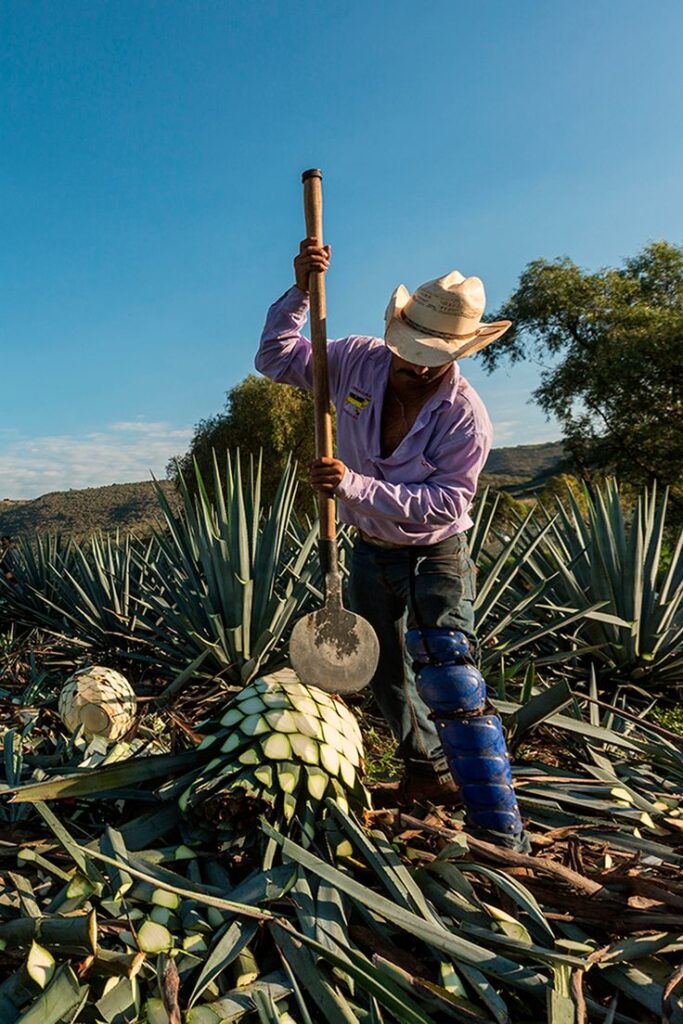
When the agave reaches maturity. Accordingly, the skilled farmers known as jimadores carefully harvest the plant. Using a specialised tool called a coa, they remove the long leaves to reveal the heart of the agave, known as the piña. Similarly, piñas can weigh anywhere from 20 to over 80 kilograms and contain the natural sugars required for their production.
Cooking the Agave
Once harvested, the piñas are slowly cooked to convert their natural starches into fermentable sugars.
Traditional producers often use hornos (brick ovens), which slowly roast the agave, developing deeper flavour complexity. Meanwhile, modern distilleries may use autoclaves, which are pressurised steam ovens that accelerate the cooking process while consequently maintaining efficiency.
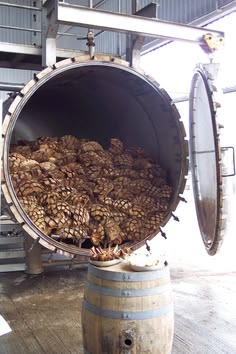
This cooking stage is crucial as it unlocks the sweet, earthy, and vegetal characteristics that define tequila.
Crushing and Juice Extraction
After cooking, the softened agave must be crushed straight away to extract its sugary juice.
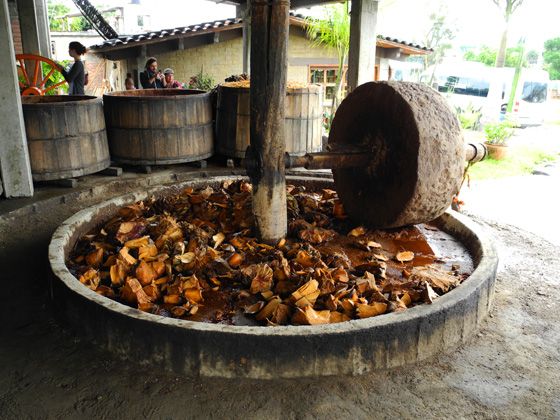
Specifically, some producers use a tahona, a large volcanic stone wheel that slowly crushes the cooked agave. Modern distilleries commonly utilise roller mills to extract the juice more efficiently.
The extracted liquid, known as mosto, forms the foundation of the production.
Fermentation and Distillation
The agave juice is transferred into fermentation tanks, where yeast converts the natural sugars into alcohol.
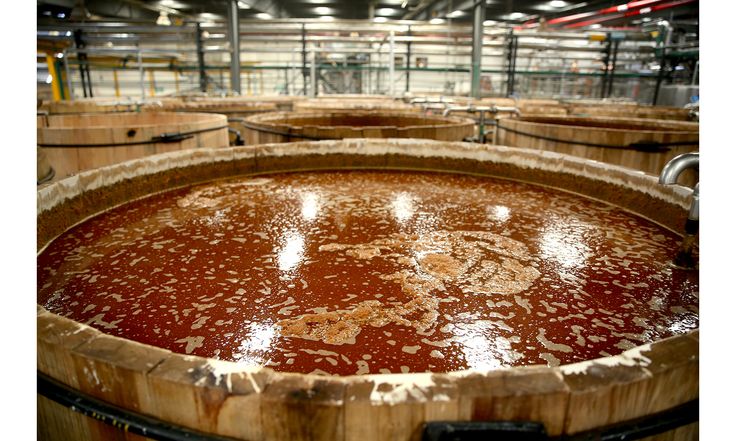
Following fermentation, the liquid is typically distilled twice to achieve clarity, balance, and concentrated flavour. Therefore, the distillation process refines the spirit while preserving the distinctive characteristics of the agave plant.
Aging and Classification Of Tequila
After distillation, the spirit may either be bottled immediately or matured in oak barrels.
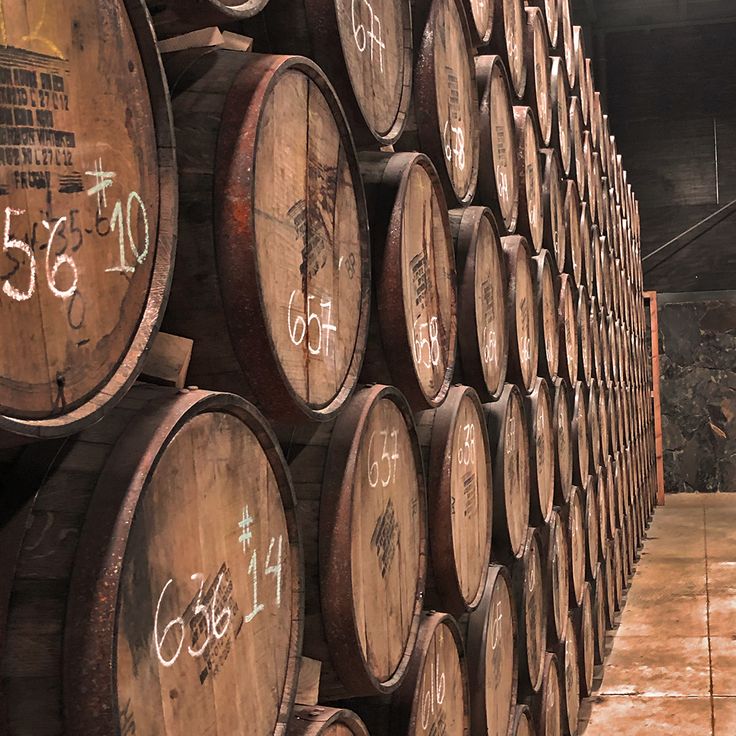
The aging process determines the final style of tequila:
- Blanco Tequila – Unaged or minimally rested, showcasing pure agave character.
- Reposado Tequila – Aged in oak barrels for a minimum of two months, offering greater smoothness and subtle oak influence.
- Añejo Tequila – Aged for at least one year, developing richer flavours of vanilla, spice, caramel, and oak.
Each style offers a unique drinking experience while maintaining the spirit’s agave-forward identity.
Why Tequila Is Unique
Unlike many spirits, tequila’s identity is inseparable from its geographical origin, agricultural heritage, and strict production regulations. Every bottle tells a story of volcanic soils, patient cultivation, skilled craftsmanship, and centuries of tradition.
From the fields of Jalisco to bars and tasting rooms around the world, it continues to represent one of the most distinctive spirits in the beverage industry.
What’s Next?
Now that we’ve decoded what tequila is and how it is produced, it’s time to further explore the different styles that shape its flavour and character.
Next up: Understanding the Types of Tequila – Blanco, Reposado, Añejo, and Extra Añejo.
Disclaimer: Images and external links used in this article are for informational and illustrative purposes only. Credits belong to their respective owners unless otherwise stated
No responses yet