After understanding what tequila is and how it is produced, the next step is exploring the different types of tequila. While all tequila originates from the Blue Weber Agave plant, the ageing process and production style significantly influence its flavour, aroma, colour, and overall drinking experience.
Therefore, decoding the various classifications of tequila can help you choose the right style for cocktails, sipping, or simply beginning your tequila journey.
Blanco Tequila (Silver, Plata, or White Tequila)
Blanco tequila is bottled immediately after distillation or aged for less than two months. As a result, it showcases the purest expression of the Blue Weber Agave plant.
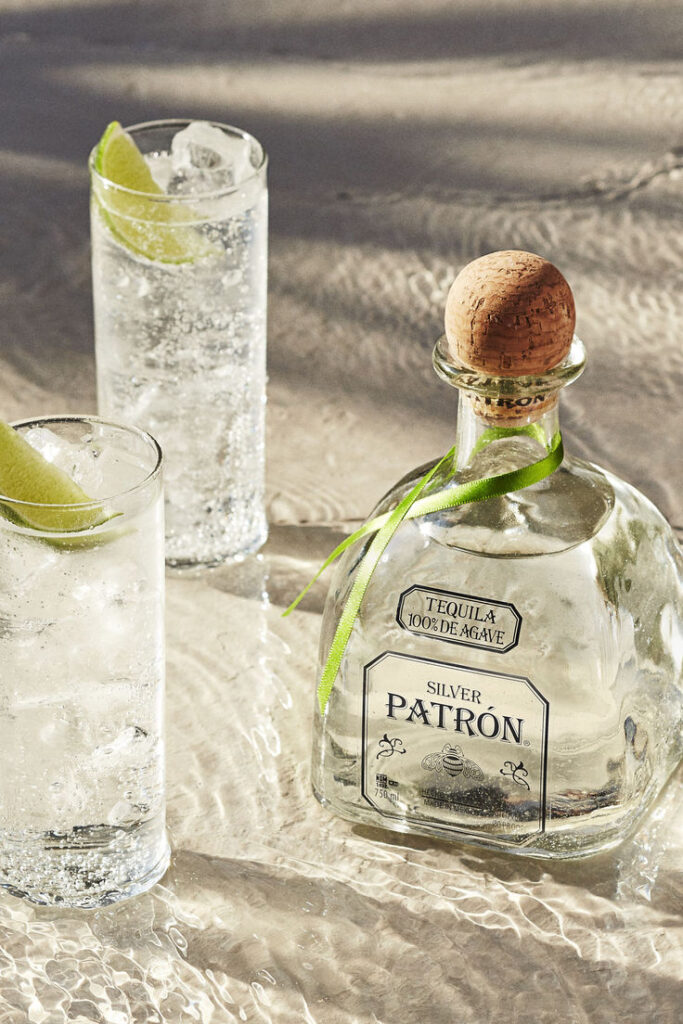
It offers fresh, vibrant flavours with prominent agave character, accompanied by notes of citrus, pepper, and herbal undertones. Because of its crisp and bold profile, Blanco tequila is often preferred in classic cocktails such as Margaritas and Palomas.
Types Of Tequila Gold Tequila (Joven or Golden Tequila)
Gold tequila is commonly produced by carefully incorporating a calculated amount of caramel colouring into silver tequila to achieve its distinctive golden hue.

However, premium versions known as Joven tequilas may be created by blending Blanco tequila with aged expressions such as Reposado or Añejo tequila. Consequently, the flavour profile can vary depending on the producer and production method.
Reposado Tequila (Rested Tequila)
Reposado tequila is aged in oak barrels for a minimum of two months and up to one year. During this period, the minimal duration of interaction between the tequila and the wood introduces additional complexity while preserving the spirit’s natural agave freshness.
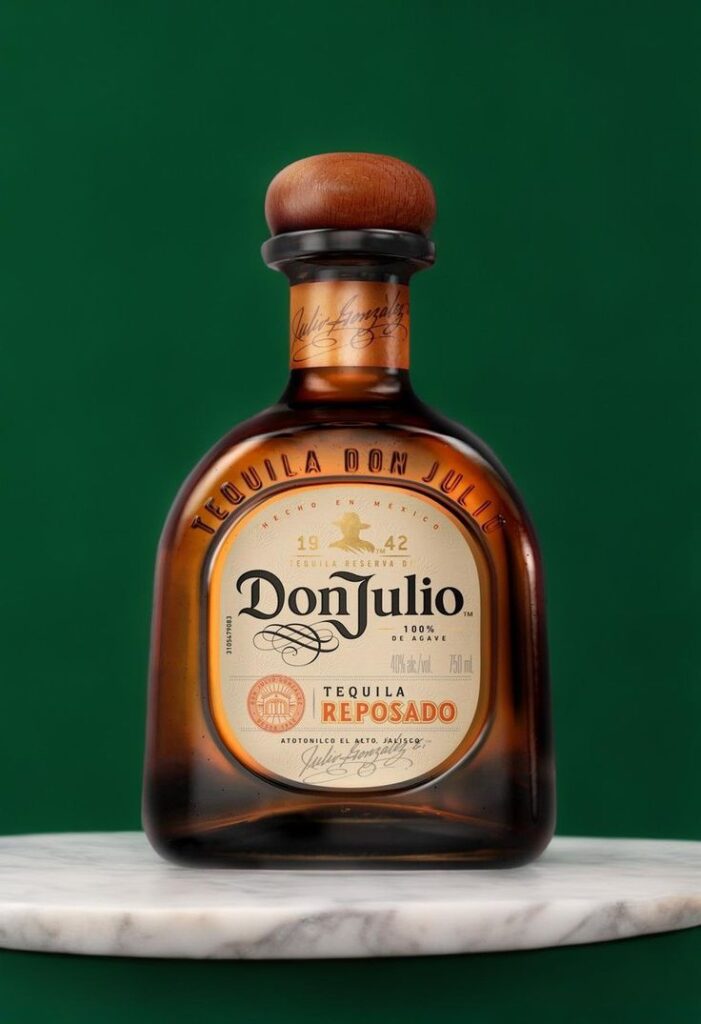
Furthermore, the ageing process contributes subtle notes of vanilla, caramel, honey, and spice, creating a balance between youthful vibrancy and mature smoothness.
Añejo Tequila (Aged Tequila)
Añejo tequila is matured in oak barrels for one to three years. As a result, it develops a richer, smoother, and more refined character compared to younger expressions.
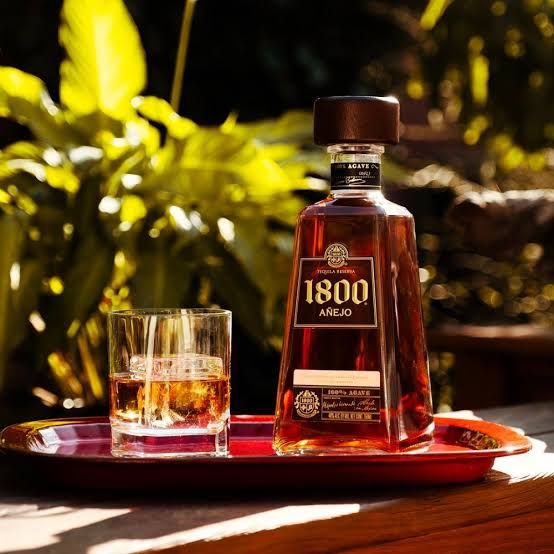
The extended ageing period introduces denser flavours such as oak, chocolate, dried fruits, toffee, and baking spices. Consequently, many enthusiasts prefer to sip Añejo tequila neat, much like a fine whisky.
Extra Añejo Tequila
Extra Añejo represents the most mature category of tequila. It is aged for more than three years, with many expressions spending between three and five years in oak barrels.
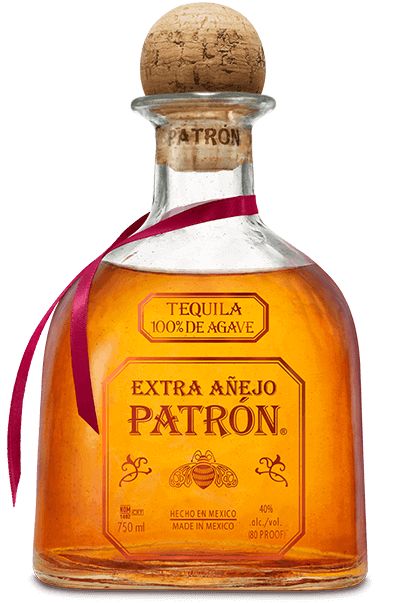
Due to this prolonged ageing process, the tequila develops remarkable depth, complexity, and richness. In addition, the influence of oak becomes more pronounced, resulting in luxurious flavours of dark chocolate, roasted nuts, vanilla, caramel, and spice.
For this reason, Extra Añejo tequila is often regarded as the most premium and luxurious category within the tequila world.
100% Agave vs Mixto Tequila
Apart from ageing categories, tequila is also classified according to the source of its fermentable sugars.
100% Agave Tequila
100% Agave tequila is produced entirely from the sugars of the Blue Weber Agave plant. As a result, it delivers a more authentic expression of tequila, highlighting the natural flavours and character of the agave.
Most premium and super-premium tequilas fall into this category.
Mixto Tequila
Mixto tequila contains a minimum of 51% blue agave sugars, while the remaining sugars may come from other approved types of agave.
Disclaimer: Images and external links used in this article are for informational and illustrative purposes only. Credits belong to their respective owners unless otherwise stated
No responses yet