Whisky is a whole experience altogether, crafted with time, carefully considering its tradition and the story behind it. Each label has its own story, offering minute details through its aromas and taste profile. Aged with dignity, it pays careful attention to maintaining its prominent flavours, giving you a complete insight into the unique dynamics of the spirit in the bottle. Just like how we learnt about tasting brandy. Tasting whisky is not just about drinking or sipping. It is about understanding, appreciating, and engaging with every layer it has to offer. Let’s decode each step of how to taste whiskey like a pro.
How To Taste Whiskey Like A Pro – Choosing The Glass
The glass matters. If you do not have an accurate glass, do not pour it.

You should always prefer a rocks glass for cherishing your whiskey the right way. The shape of the glass allows the aromas to settle and gives you a better overall tasting experience. A good glass sets the tone for everything that follows.
Appearance
Appreciate the hue. The beauty of ageing is often reflected in the colour.
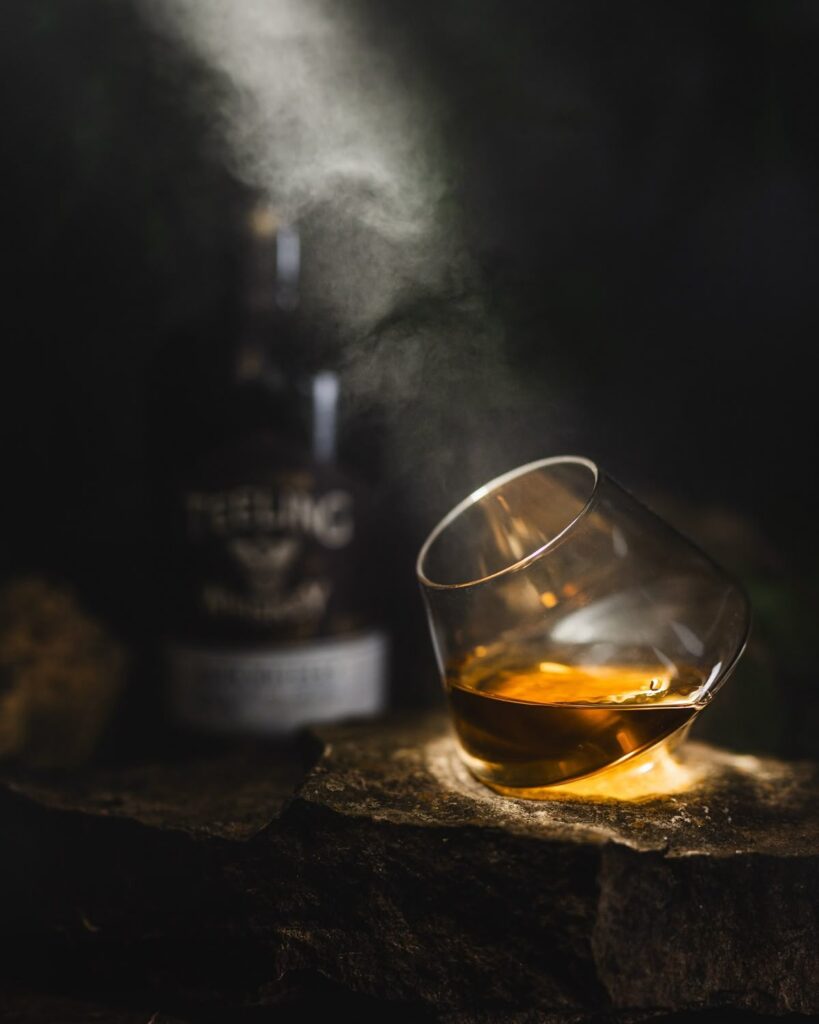
From pale gold to deep amber, the shade helps justify the cask type and the duration of ageing. A darker shade may indicate influence from ageing in wine casks or longer ageing periods. This first visual step already starts telling you a story before you even take a sip.
Swirl and Breathe
Gently swirl the glass to release its aromas, and let the whiskey breathe.

As you swirl, bring the glass closer and breathe in softly. You will begin to sense notes like oak, vanilla, spices, and smokiness. Every whisky offers a different aromatic profile, and this step helps you prepare your senses for what’s to come. Majorly, the type of barrel in which the whiskey is aged helps in shaping the profile of the whiskey
Pro Note – Some whiskey drinkers (including me) prefer having whiskey poured and enjoyed in a Glencairn glass, as it helps swirl and appreciate the notes the spirit offers.
How To Taste Whiskey Like a Pro – Sip
Take a small sip, please don’t take it as a shot. Or you will have your spirits lifted for a while, at least!
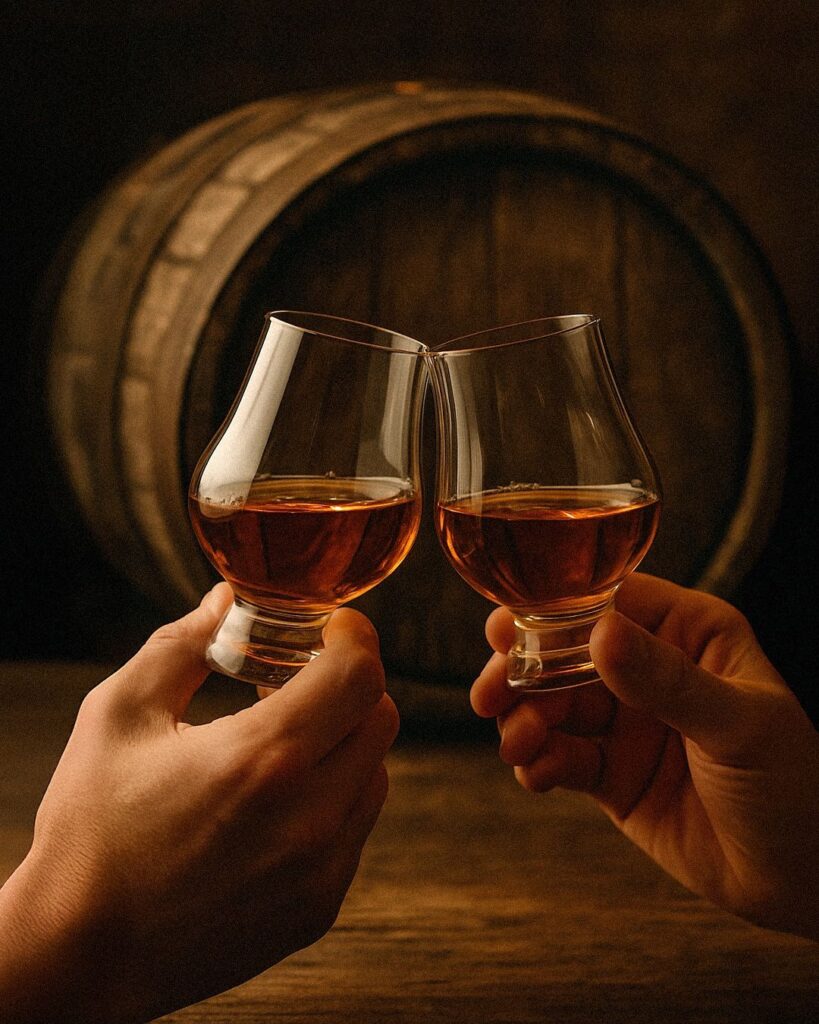
Let it rest and swirl gently around your mouth. Do not rush this part. You need to discover its flavours and understand what it has to offer. Whisky takes time to open up slowly. You’ve heard that good things take time, but with whisky, the best things truly come when you take it slow. And trust me, this is all worth it.
Add Water
Now, when I say add water, it does not mean a whole bucket of it
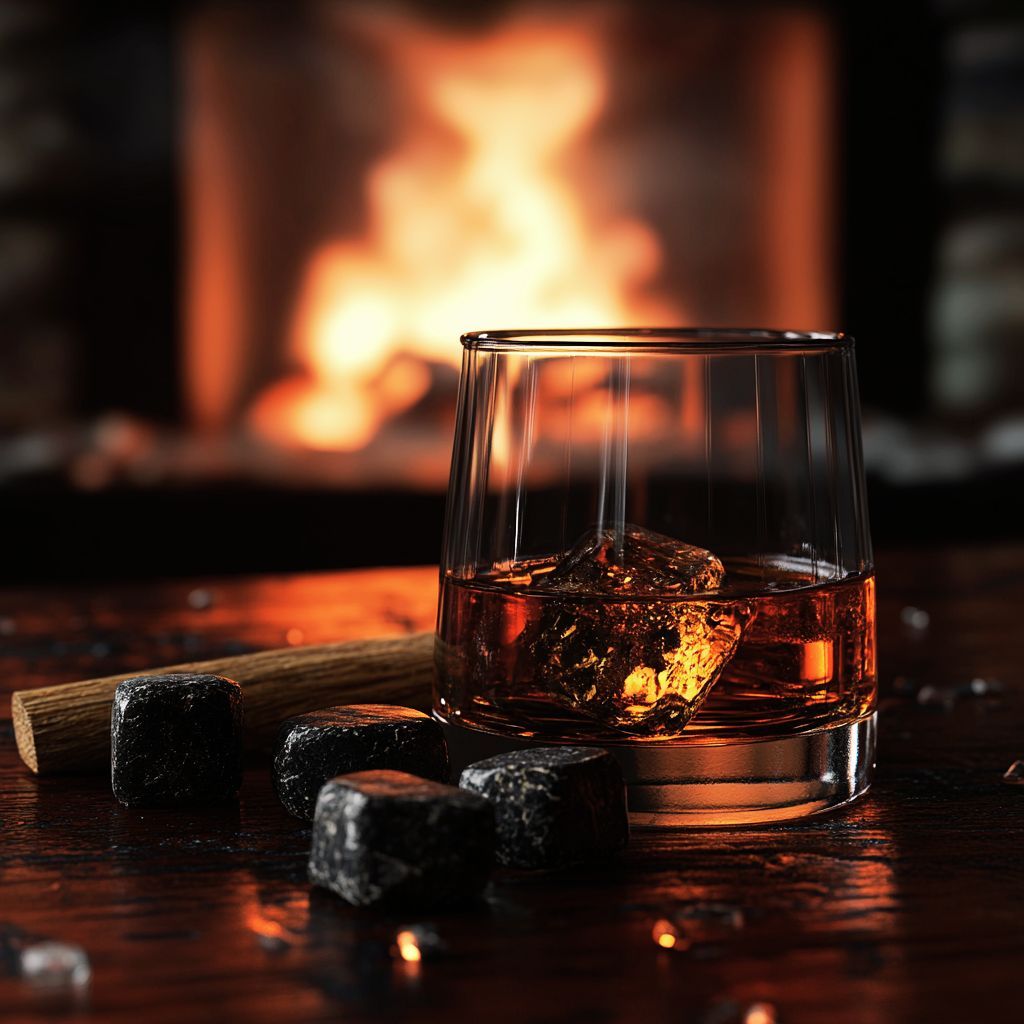
Just a few drops can help release and soften hidden flavours, especially in cask strength whiskies. This small step can completely transform your tasting experience and open up layers you might not notice otherwise. There is a concept of whiskey on the rocks, which is usually ordered and ordered by many. In the initial days, people used the rocks and pebbles from the river as they would be cold to pour the whiskey, making the whiskey chilled naturally and at the right temperature. Now there are options for ice, I preferably use a few cubes of ice and pour the whiskey on it, and hence the ice resembles the rocks as well. mellowing it down and making it chilled at the same time.
What Does Ice Age Mean?
It literally means the ageing of the ice. The longer the ice is aged, that means the slower it melts. Thereby, not diluting the drink quickly. Also, there are erocks ice in the market. Also known as reusable ice. The mercury helps make the whiskey chill at the right temperature.
The Finish
The length of the finish determines how long the flavours stay with you.
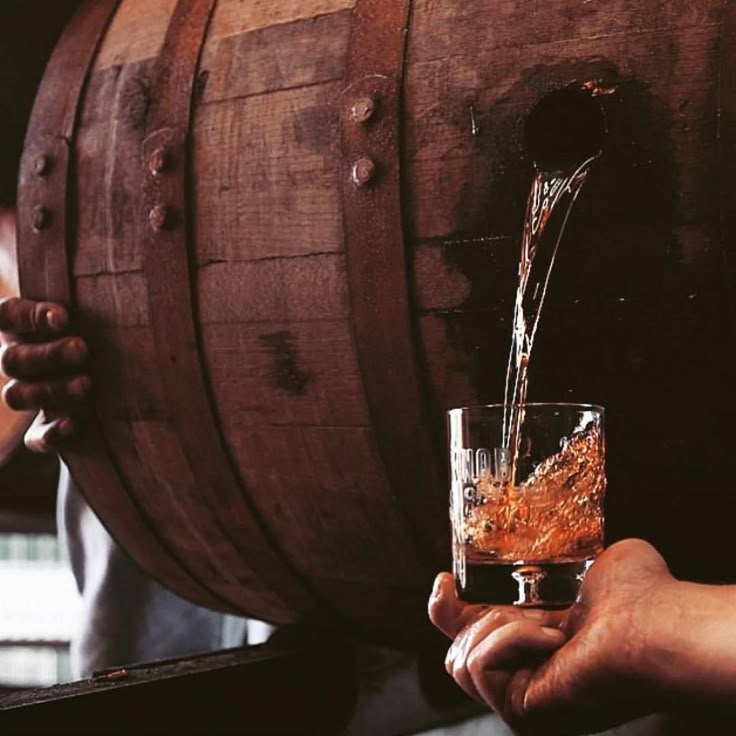
A well-aged and finely crafted whisky often leaves a lingering impression. You might notice notes like dark chocolate, smoke, or roasted spices as the flavours settle. This is where the whisky leaves its final mark.
Well! Tasting whiskey is about patience and having a mind for curiosity. It’s not about how highly priced the label is. It’s about how you engage with it.
And that’s how, my folks, we have decoded another section.
Disclaimer: Images and external links used in this article are for informational and illustrative purposes only. Credits belong to their respective owners unless otherwise stated
No responses yet