Whisky is one of the most fascinating spirits that aligns tradition and craftsmanship. As mentioned in the previous blog, whisky is crafted from carefully selected grains and undergoes long years of maturation in oak barrels. Every step of the whisky-making process contributes to the final character of the spirit. In this guide, we will explore whisky production in depth and complete the whiskey manufacturing process, including malting, mashing, fermentation, distillation, and maturation. Understanding these steps will help you appreciate the complexity behind every dram (measurement).
1. Malting In The Whisky Manufacturing Process
The whisky begins with malting, where barley is prepared for fermentation.
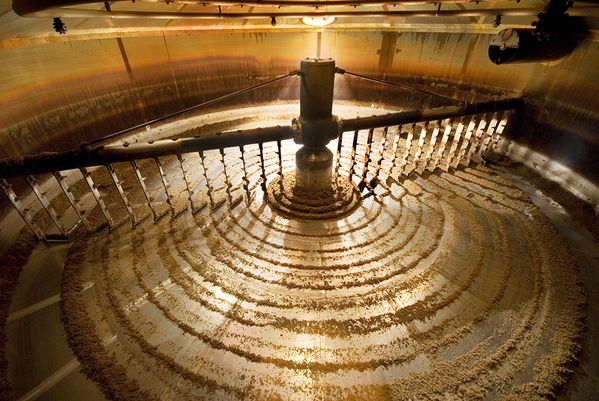
During malting, barley is soaked in water and allowed to germinate for around 4 to 6 days. This stage activates natural enzymes that convert the grain’s starch into fermentable sugars. The partially germinated grain is known as green malt. These enzymes are crucial because yeast can only ferment sugars, not raw starch.
Pro note – Malting develops the enzymes required for sugar conversion, making it an essential for whisky production.
2. Kilning – Stopping Of Germination
Once germination reaches the desired stage, the barley is dried in a kiln. This step stops the germination process and furthermore stabilises the malt.
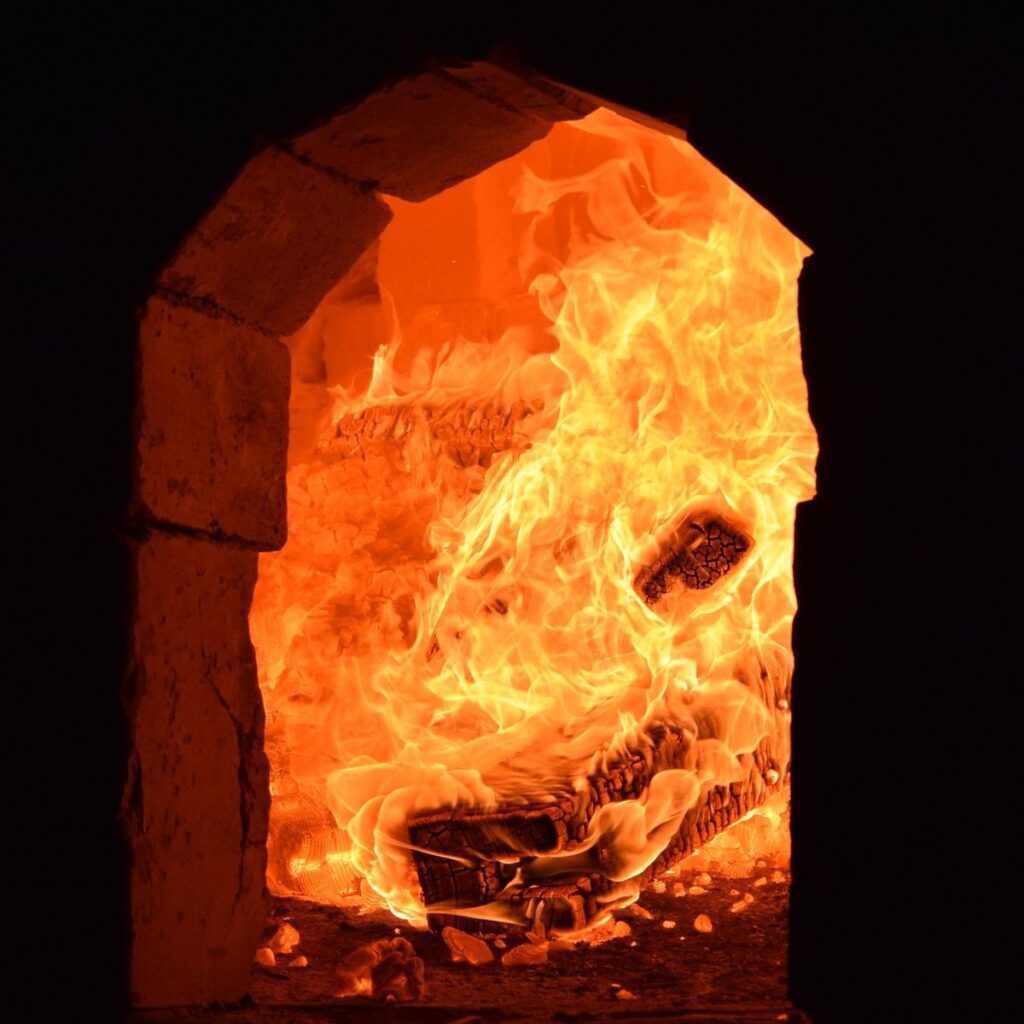
In some whisky regions, especially Scotland, peat smoke is used during kilning, which gives the malted whisky a distinct smoky and earthy character.
Peated whiskies often exhibit aromas such as:
- Smoke
- Earthiness
- Campfire-like flavours
Not all whiskies are peated, but when peat is used, it becomes a defining flavour characteristic.
Pro note – Peated whisky is profoundly crafted in the Islay region.
3. Milling – Grinding The Malt
After kilning, the malted barley is ground in a mill to produce a coarse powder called grist (a batch of powdered grain)
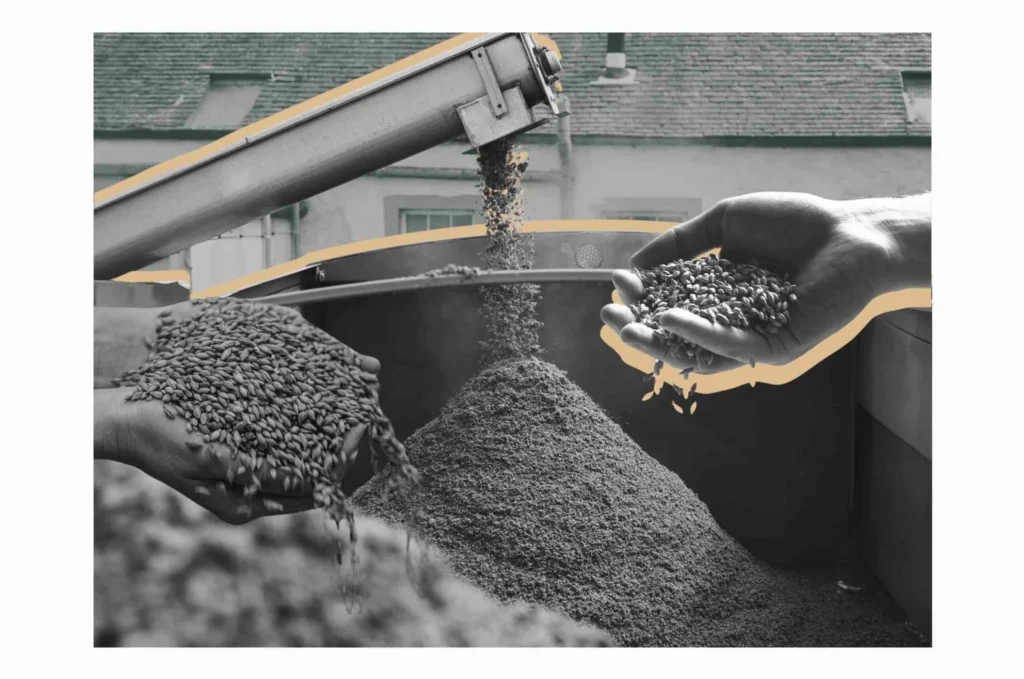
The grist typically contains three components:
- Husk
- Grit
- Flour
4. Mashing – Extracting The Sugars
The grist is transferred into a large vessel called a mash tun, where hot water is introduced.
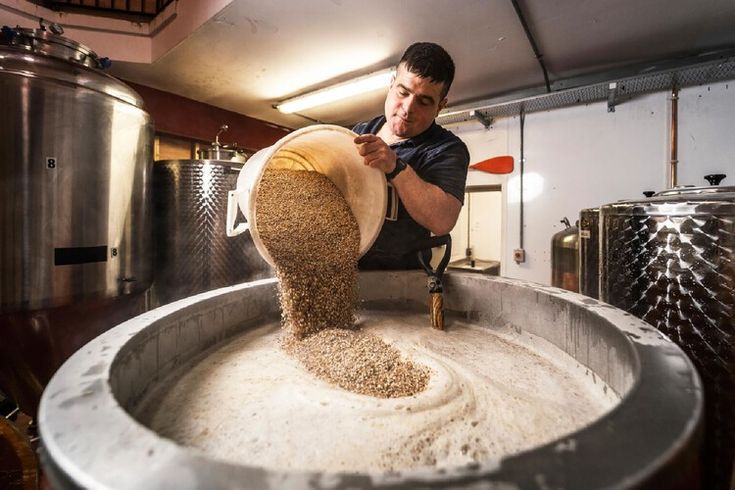
During mashing:
- The hot water dissolves the sugars created during malting.
- The liquid extracted is called wort. (Explained in my previous articles)
The sweet liquid (wort) is then separated from the solid grain residues.
5. Fermentation – Alcohol Formation
The wort is cooled and transferred into large fermentation vessels called washbacks.
Yeast is added to the liquid, initiating fermentation. During this process:
- Yeast consumes the sugars
- Alcohol and carbon dioxide are produced
After 48–96 hours, the liquid becomes a beer-like substance known as wash, usually containing around 7–10% ABV.
6. Distillation – Concentrating The Spirit
The wash is then distilled to increase the alcohol concentration and refine the spirit.
Pot Still Distillation
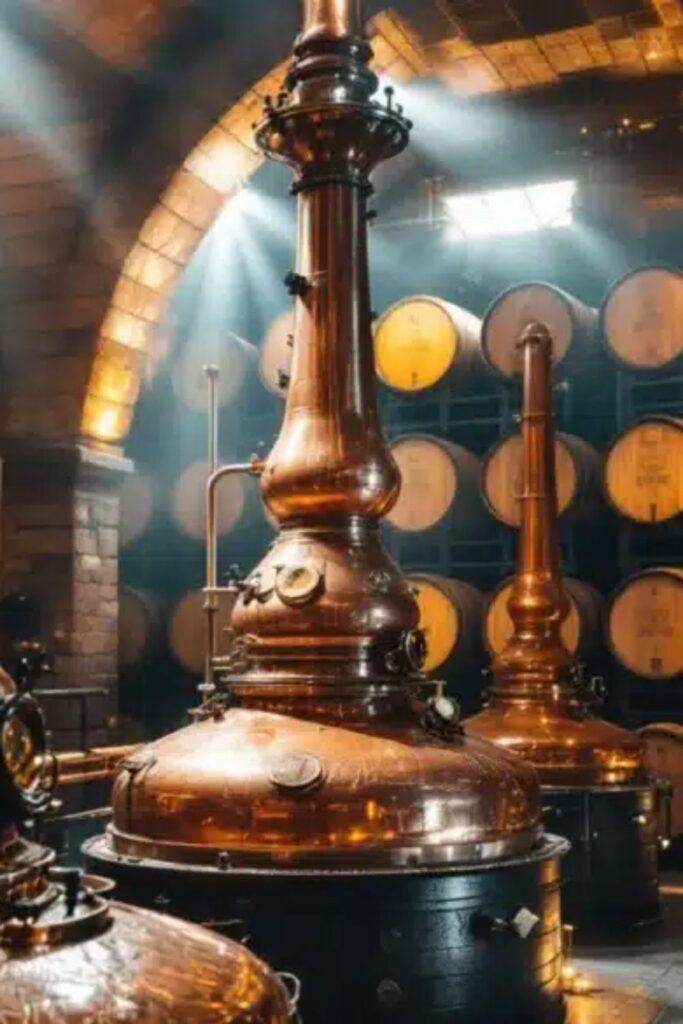
Many traditional whiskies, especially Scotch single malts, are distilled in copper pot stills.
Typically:
- The first distillation produces a liquid called low wines
- The second distillation refines it into a stronger spirit
The resulting spirit generally comes off the still at around 65–70% ABV.
Column Still Distillation
Some whiskies, particularly bourbon and grain whiskies, may use column stills (continuous stills), which allow efficient large-scale production.
Learn more about the difference between a pot still and a patent still
7. What Is White Dog In The Whisky Manufacturing Process
After distillation, the fresh spirit is clear and unaged. In American whiskey production, this new spirit is often called “White Dog” or “New Make Spirit.”
At this stage:
- The spirit has not yet been aged in barrels.
- It is usually diluted with demineralised water to around 62.5% ABV or lower before being filled into barrels.
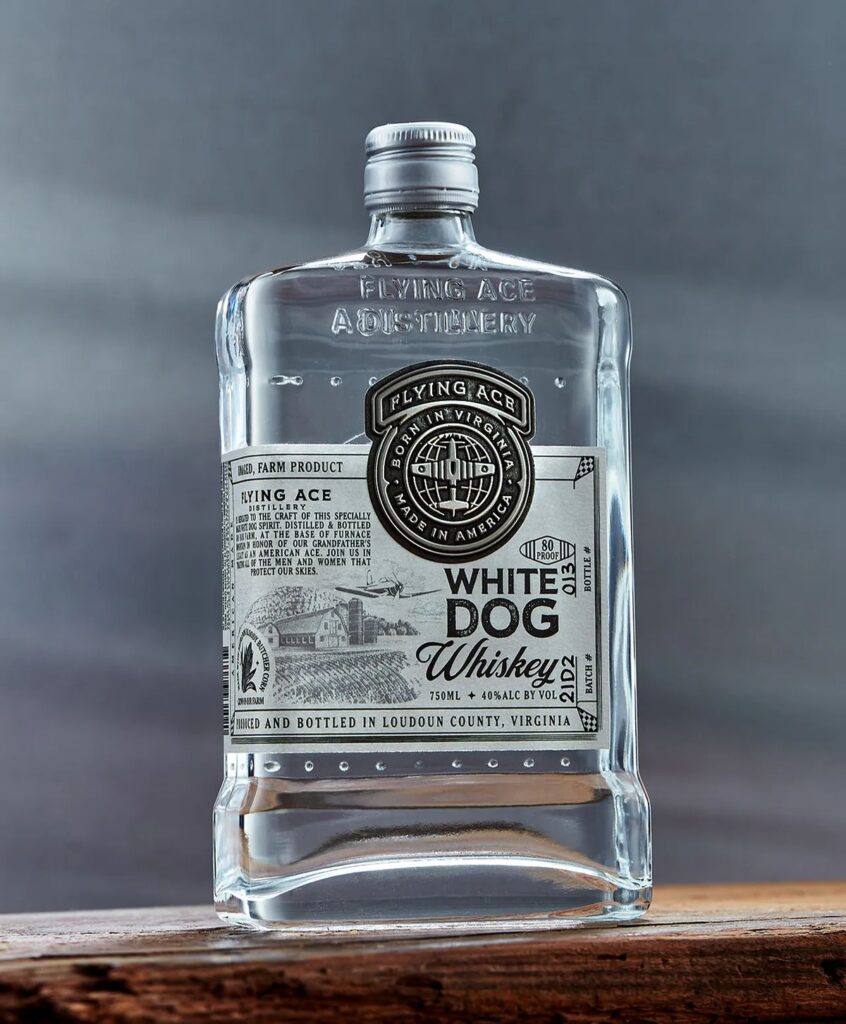
This unaged spirit contains strong grain and alcohol notes and will develop complexity only after maturation.
8. Maturation – The Charm Of Oak
Maturation is where whisky truly develops its flavour.
The spirit is aged in oak barrels, which slowly interact with the whisky to create new aromas and flavours.
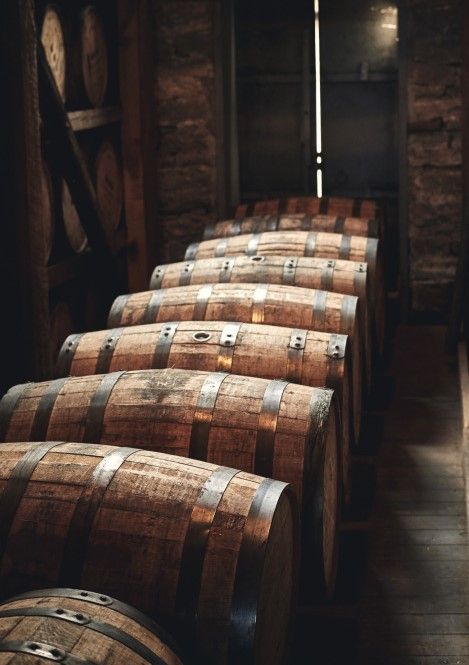
Two commonly used oak species include:
Quercus alba (American oak) gives notes of Vanilla, Coconut, Sweet spice, and caramel.
Quercus robur (European oak) gives notes of Dried fruits, Spice, and rich tannins.
Meanwhile, the whisky absorbs compounds from the wood, gaining colour, aroma, and complexity.
Pro Note – Some American whiskies use French oak after maturing the wine.
What Is Sour Mash?
The sour mash process is commonly used in American whiskey production, particularly bourbon.
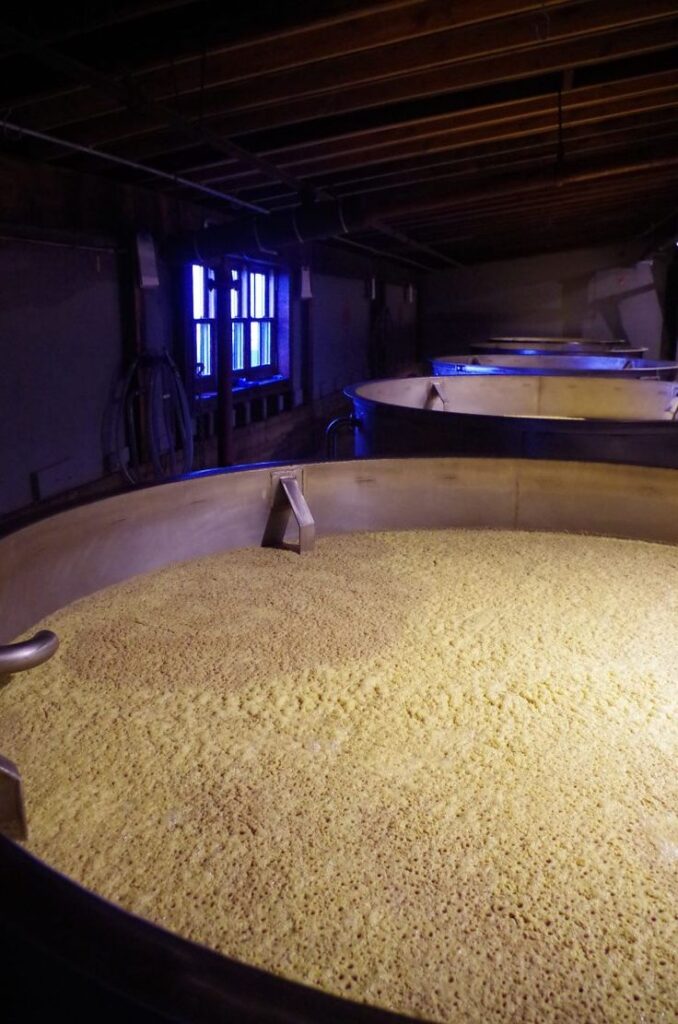
In this method:
A portion of the previously fermented mash is added to the new batch. This helps maintain consistent pH levels, improve fermentation stability, and preserve flavour consistency between batches. However, the name sour mash does not make the whiskey taste sour.
The Angel’s Share
During maturation, a small portion of the whisky evaporates from the barrel each year. This loss is known as the Angel’s Share.
The evaporation rate consequently depends on the climate, Warehouse conditions, and barrel type.
Subsequently, over many years, this natural process concentrates flavours in the remaining whisky.
The whisky is then Bottled and served into your glass. Cheers!
Disclaimer: Images and external links used in this article are for informational and illustrative purposes only. Credits belong to their respective owners unless otherwise stated
No responses yet